
Islamabad(The COW News Digital)Pakistan’s tax system is once again at a critical crossroads, forcing policymakers to weigh the trade-off between immediate revenue collection and long-term economic stability. Analysts warn that the country’s limited tax base, a large informal economy, and policy inconsistencies continue to challenge sustainable reform.
For decades, Pakistan’s fiscal policy has been heavily influenced by short-term financial pressures, the influence of creditors, and ambitious revenue targets. While immediate tax collection often dominates the agenda, fundamental reforms necessary to broaden the tax base and strengthen economic resilience have frequently been postponed.
Recent developments have reignited debate. Following a brief court ruling on Super Tax, tax authorities began issuing immediate recovery notices, causing concern among business communities over enforcement methods and the impact on investor confidence. Experts say that while prompt collection is essential, an overemphasis on short-term revenue can undermine growth and discourage formal economic participation.
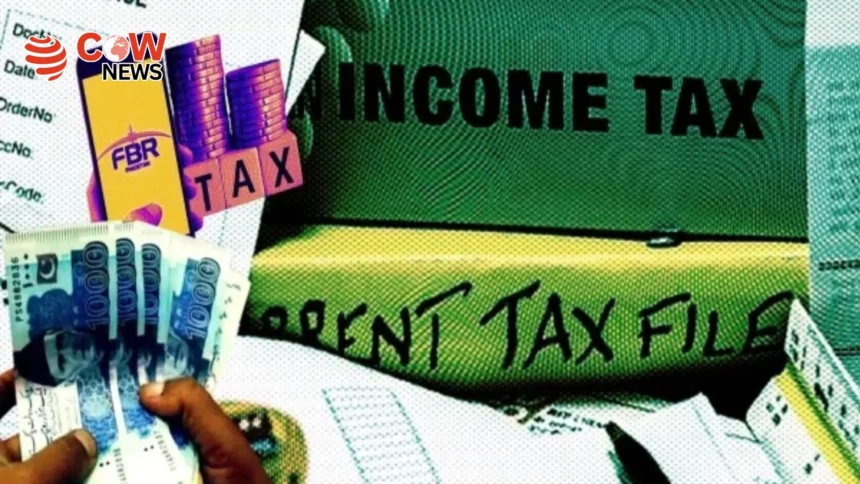
Pakistan’s tax system primarily relies on direct and indirect taxes. Direct taxation includes income tax levied on individuals and corporations, while indirect taxes cover sales tax, customs duties, and federal excise duties. Despite these instruments, the country struggles with low compliance rates and widespread tax avoidance, highlighting the need for structural reforms.
Economists argue that expanding the tax net is critical for long-term fiscal health. A broader base not only increases government revenue sustainably but also allows for more equitable distribution of tax burdens. Policy consistency, digitalization of tax administration, and better enforcement are cited as key strategies to modernize the system.
The debate also touches on the informal economy, which comprises a significant portion of Pakistan’s economic activity yet remains largely untaxed. Bringing this segment into the formal system could boost revenue without overburdening existing taxpayers, though it requires careful policy design and incentives.
Ultimately, Pakistan faces a choice: prioritize immediate collections to meet short-term financial obligations or implement reforms that strengthen the economy for decades. Experts warn that neglecting the latter may perpetuate fiscal instability, making future policy interventions more challenging.
As the government navigates this dilemma, balancing short-term fiscal needs with long-term economic growth will be essential to ensure a resilient and equitable tax system.