
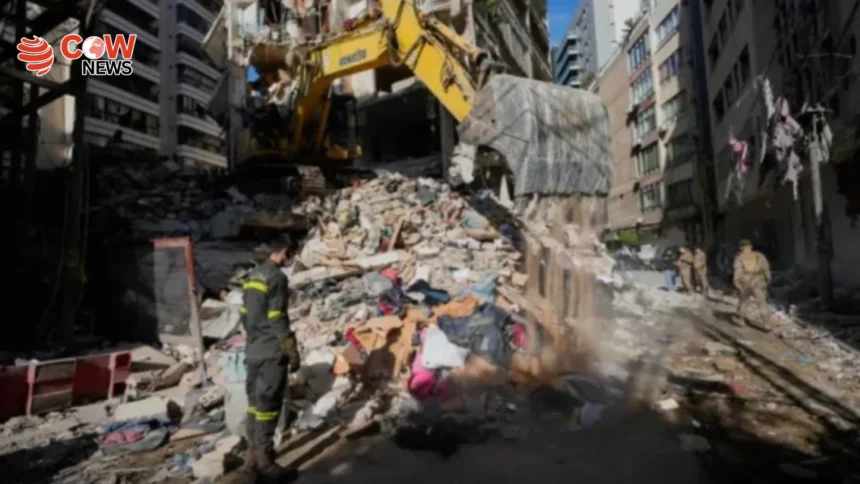
World ( The cow news digital ) The capital of Lebanon is facing a severe humanitarian and medical crisis following recent Israeli airstrikes, with hospitals struggling to cope with an overwhelming influx of injured patients and critical shortages of medical supplies.
According to initial reports, more than 300 people have been killed and over 1,000 injured in a series of coordinated strikes that targeted over 100 locations across the country within minutes. A large proportion of the casualties include women, children, and elderly civilians.
Medical officials confirmed that in Beirut alone, more than 70 injured individuals were brought to a major hospital within an hour after the attacks. Several of them later succumbed to their injuries due to the severity of trauma caused by collapsing buildings and explosions.
Health authorities have warned that hospitals are operating under extreme pressure, with emergency wards fully occupied and critical care units struggling to accommodate new patients. Doctors say many of the injured include infants and young children, some of whom remain in intensive care in critical condition.
The Lebanese Ministry of Health stated that the scale of destruction has placed an unprecedented burden on the country’s already fragile healthcare system. Emergency responders continue to search for missing persons as families rush to hospitals in hopes of finding their loved ones.
Officials from the Lebanese Red Cross described the situation as catastrophic, stating that medical facilities were already under-resourced before the strikes and are now facing severe shortages of essential medicines and equipment.
The World Health Organization has also raised concerns, warning that vital medical supplies could run out within days if urgent international assistance is not provided.
READ MORE
- Imran Khan and the Politics of Idolization
- China Urges Global Support for Sustainable Sudan Solution
Lebanon’s ongoing economic crisis has further worsened the situation, with disrupted imports and supply chains making it difficult to restock essential drugs. Frequent power outages have forced hospitals to rely heavily on generators, significantly increasing operational costs.
Despite the crisis, citizens have shown solidarity by donating blood and supporting emergency relief efforts. However, medical professionals stress that humanitarian aid alone is not enough and emphasize that only an end to hostilities can resolve the escalating disaster.
The situation remains highly volatile as rescue operations continue and the death toll is expected to rise further.