

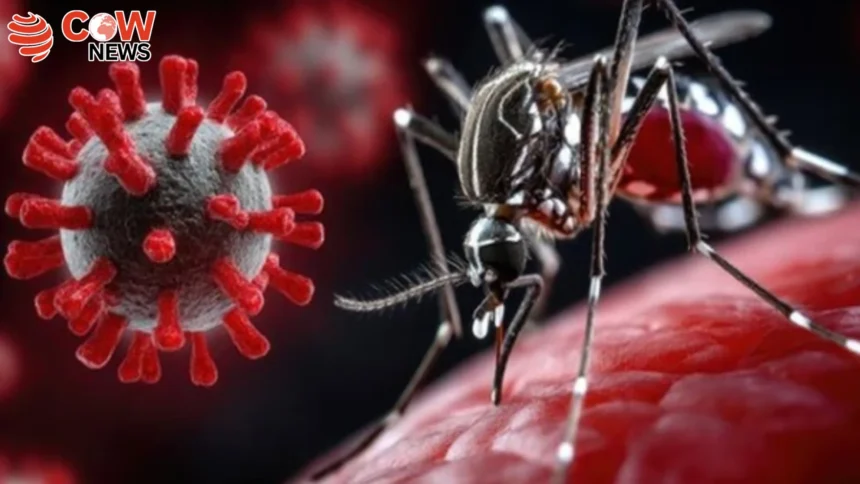
HAVANA, CUBA(The COW News Digital) Cuba is grappling with a severe outbreak of mosquito-borne diseases, as Chikungunya and Dengue fever sweep across the island nation, affecting nearly one-third of its population. Thousands have already fallen ill, prompting urgent government action to curb the spread and protect public health.
According to Cuba’s Chief Epidemiologist, Francisco Durán, the situation is “very serious.” He emphasized that the government is working with the same intensity seen during the COVID-19 pandemic to ensure the supply of medicines and vaccines, aiming to reduce the impact of the viruses. “Our teams are mobilized across the country to contain this outbreak and protect vulnerable populations,” Durán said.
Chikungunya, previously rare in Cuba, has seen a rapid surge in recent weeks, while Dengue fever, long present in the country, has intensified, raising alarms among health authorities. The capital, Havana, has emerged as a hotspot, where government teams began large-scale mosquito-spraying operations on Thursday to curb the insect population and reduce virus transmission.
Local residents, however, warn that spraying alone may not be sufficient. Tanya Méndez, a Havana resident, urged additional measures such as cleaning garbage-filled streets and repairing broken pipes to eliminate mosquito breeding grounds. Experts agree that without sustained sanitation and public awareness campaigns, outbreaks are likely to continue and expand.
The symptoms of Chikungunya include severe headaches, rashes, and intense joint pain, which can persist for months and, in some cases, lead to long-term disability. Both Chikungunya and Dengue are primarily spread by Aedes mosquitoes, which are also carriers of the Zika virus, posing an additional public health concern.
Economic constraints exacerbate the situation. Many Cuban citizens cannot afford mosquito repellents, chemical sprays, or protective lotions, leaving large portions of the population highly vulnerable. The government is urging international support and community cooperation to manage the crisis effectively.
Medical authorities are calling on residents to eliminate stagnant water, maintain hygiene, and seek immediate treatment if symptoms appear. Health experts warn that the outbreak could worsen if preventive measures are not rigorously followed, particularly as the island continues to experience warm and humid conditions that favor mosquito breeding.
As Cuba battles this outbreak, officials stress that public awareness, community participation, and swift government action are critical to controlling the spread of these mosquito-borne illnesses, while minimizing long-term health and economic consequences