
Islamabad (The Cow News) The Pakistani drama series “Meri Zindagi Hai Tu” has sparked widespread criticism for portraying unhealthy male behavior as a form of romance, raising concerns among viewers about the messages being conveyed to younger audiences.
The story revolves around Ira, a principled medical student, and Kamyar, a wealthy and influential young man. Kamyar’s approach to love is depicted as a combination of dominance and persistence, where rejection is treated as a challenge rather than a boundary. Critics argue that this narrative reinforces the harmful notion that insistence and pressure are signs of genuine affection.
Audiences on social media have pointed out that the drama recycles an old formula: a powerful, affluent man persistently pursues a woman, ignoring her refusals and intervening in her personal life without consent. Over time, Ira’s resistance gradually diminishes, suggesting that repeated persistence is an acceptable path to love.
Commentators note that the issue extends beyond a single character’s behavior. They highlight shortcomings in the scriptwriting and limited development of Ira’s character, which normalize and even justify aggressive or toxic behavior. Some critics have also raised concerns over scenes where aggressive habits or addiction issues are downplayed or rationalized, and where religious references are used to suggest moral superiority.
The debate surrounding “Meri Zindagi Hai Tu” raises broader questions about the portrayal of relationships in Pakistani media. Many viewers worry that dramas like this may inadvertently shape young minds to equate coercion, control, or persistence with love, rather than emphasizing mutual respect and consent.
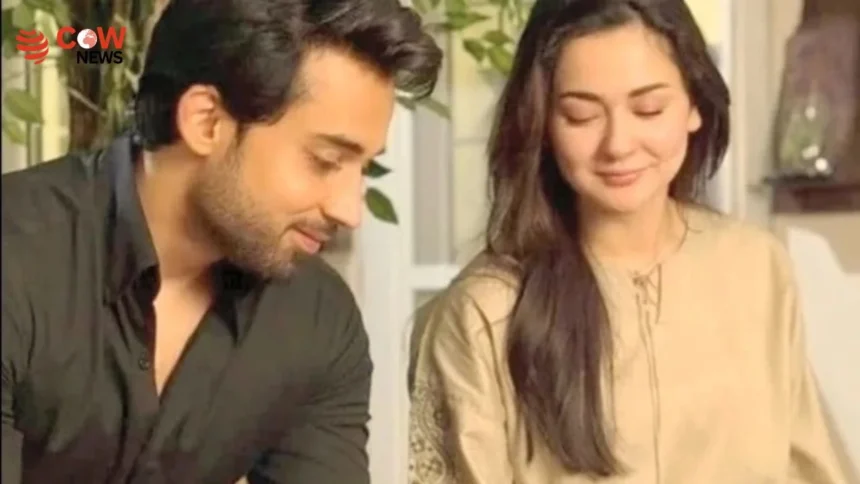
While the series has garnered attention for its storytelling and star cast—including Hania Amir and Bilal Abbas—it also underscores the ongoing responsibility of content creators to depict relationships in ways that are socially and ethically responsible.
The conversation continues online, with fans and critics alike debating how media can balance dramatic storytelling with healthy representations of romance.