

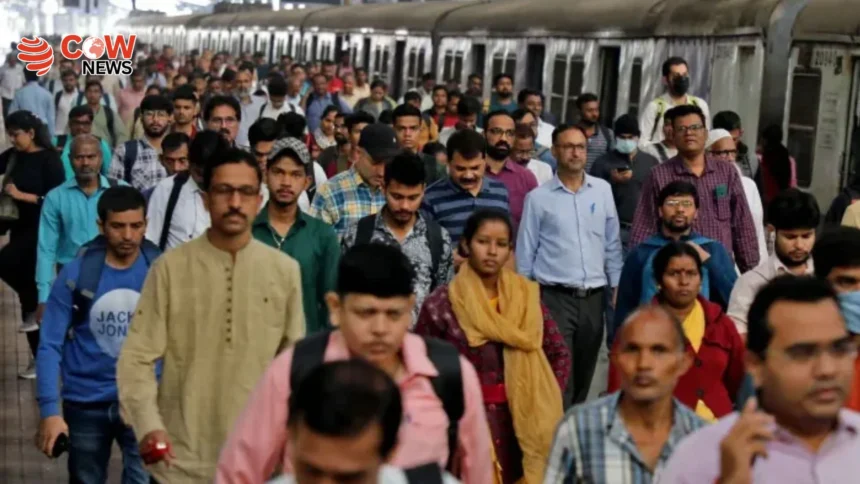
World ( The cow news digital ) India has officially launched what is being described as the largest population census in history, marking a significant milestone after nearly five years of delay. The nationwide exercise will, for the first time in almost a century, include a comprehensive caste-based count, triggering renewed political and social debate.
Originally scheduled for 2021, the census was postponed due to the global outbreak of COVID-19. Authorities have now resumed the process, which is expected to cost approximately $1.24 billion and involve more than three million government workers. The operation aims to collect data from nearly 1.4 billion citizens across the country.
Officials stated that the census will cover all 28 states and eight union territories, including over 7,000 cities and approximately 640,000 villages. In a major shift, this will also be India’s first fully digital census, with enumerators using mobile applications to gather responses to 33 detailed questions. Citizens will also have the option to submit their information online.
The census will be conducted in two phases. The first phase will focus on housing conditions and access to basic amenities such as water, electricity, and internet services. The second phase will gather demographic and socio-economic data, including education, employment, migration patterns, birth rates, and caste information.
Experts believe the exercise is critical for policy planning, as it provides essential data used to allocate resources, design welfare programs, and assess population trends. The findings are also expected to play a key role in future electoral boundary delimitation, which could reshape political representation across regions.
Concerns have already emerged from southern states, where leaders fear that population-based redistribution could increase the political influence of northern regions. Additionally, the implementation of a proposed law reserving one-third of parliamentary seats for women is also tied to updated census data and constituency boundaries.
read more
- Pakistan, Taliban, and Afghanistan: The Complex Triangle of Influence
- China Urges Global Support for Sustainable Sudan Solution
The inclusion of caste data has become one of the most contentious aspects of the census. India last conducted a full caste census in 1931 during colonial rule. After independence, the government discontinued the practice in 1951, citing concerns over reinforcing social divisions, although limited data on disadvantaged groups continued to be collected.
The government of Prime Minister Narendra Modi had initially opposed a caste-based count but later agreed under mounting political pressure. Supporters argue that detailed caste data is essential for ensuring social justice and refining reservation policies, while critics warn it could deepen existing societal divisions.