
Iran(The COW News Digital)Tensions between the United States and Iran have intensified ahead of a scheduled third round of diplomatic talks, as senior leaders from both countries exchanged firm but measured statements on security and regional stability.
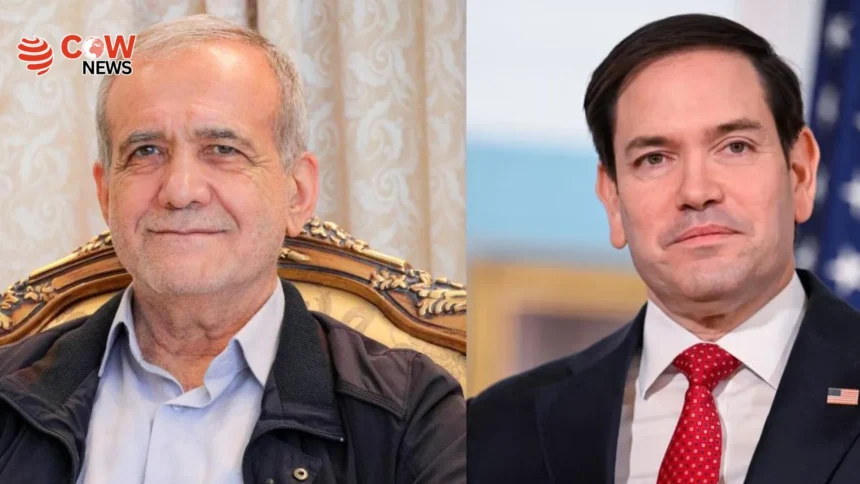
US Secretary of State Marco Rubio described Iran as a “serious threat” to American interests, underscoring Washington’s longstanding concerns over Tehran’s nuclear ambitions and regional activities. Speaking before the upcoming negotiations, Rubio stated that while Iran is not currently enriching uranium at levels that would trigger immediate alarm, it continues to pursue capabilities that raise international concern.
Rubio emphasized that the United States remains vigilant and committed to preventing Iran from advancing toward nuclear weapons capability. However, he stopped short of announcing new measures, signaling that diplomacy remains the preferred path at this stage.
On the Iranian side, President Masoud Pezeshkian struck a conciliatory tone, expressing hope that the negotiations would yield constructive outcomes. Pezeshkian reiterated that Iran does not seek war and is committed to resolving disputes through dialogue. He stated that Tehran is moving forward with talks under the guidance of Supreme Leader Ali Khamenei, indicating internal alignment on the diplomatic approach.
“We do not want conflict, nor do we wish to see the situation deteriorate,” Pezeshkian said. “But if war is imposed on us, we reserve the right to defend ourselves.”
The renewed diplomatic engagement comes amid heightened regional tensions and persistent mistrust between Washington and Tehran. Relations have remained strained since the collapse of previous nuclear agreements, with both sides accusing each other of failing to meet commitments.
Analysts suggest that the third round of talks could prove pivotal in determining whether diplomatic channels remain viable or whether tensions could escalate further. While both governments have publicly expressed a desire to avoid open conflict, their rhetoric underscores deep-rooted disagreements over security, sanctions, and nuclear policy.
Observers note that the coming discussions will test whether pragmatic compromise can overcome years of hostility. For now, both capitals appear to be balancing firm public messaging with cautious diplomatic outreach.
As negotiations resume, the international community will be closely watching whether dialogue can ease tensions or whether the standoff risks deepening in an already volatile region.