

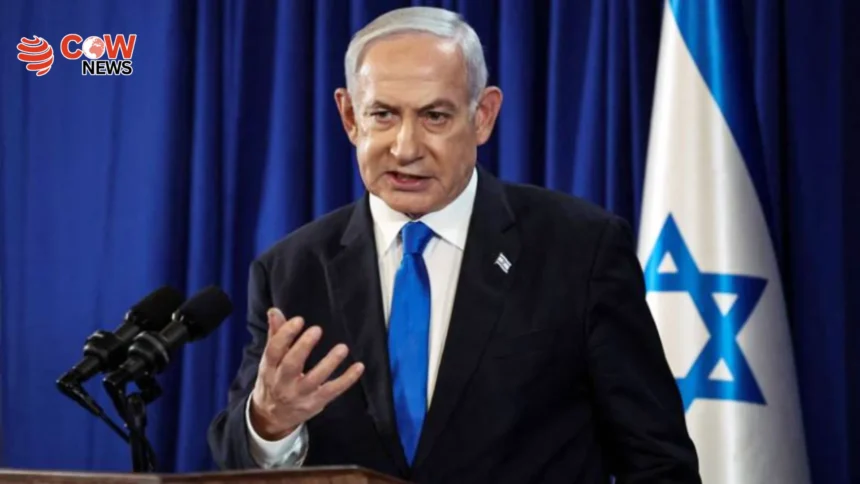
World ( The cow news digital ) Israel has confirmed that Lebanon will not be included in the proposed ceasefire arrangement with Iran, raising concerns about continued instability on multiple fronts in the region.
According to a statement issued by the office of Prime Minister Benjamin Netanyahu, Israel has agreed in principle to suspend military operations against Iran for a period of two weeks. However, the ceasefire is subject to specific conditions, including the immediate reopening of the Strait of Hormuz and a halt to attacks targeting the United States, Israel, and allied countries.
Israeli officials clarified that the temporary truce applies exclusively to direct hostilities involving Iran and does not extend to Lebanon. This distinction indicates that tensions along the Lebanese front may persist despite broader efforts to de-escalate the conflict.
The decision reflects Israel’s security concerns regarding regional dynamics, particularly in areas where Iranian influence is perceived to be significant. Israeli authorities reiterated their stance that Iran poses a strategic threat, citing its nuclear ambitions, missile capabilities, and alleged support for militant groups.
By excluding Lebanon from the ceasefire framework, Israel appears to be maintaining operational flexibility in addressing threats it associates with that front. Analysts suggest that this approach could complicate diplomatic efforts aimed at achieving a comprehensive regional de-escalation.
The development comes amid ongoing international attempts to reduce tensions following a period of heightened military activity involving multiple actors. The proposed ceasefire between Iran and other parties is being viewed as a critical opportunity to initiate dialogue and prevent further escalation.
However, experts warn that partial agreements that exclude key areas of conflict may limit the effectiveness of such initiatives. The absence of Lebanon from the ceasefire could potentially allow hostilities to continue indirectly, undermining broader peace efforts.
So far, Iranian officials have not issued an official response to Israel’s position regarding Lebanon. Observers are closely monitoring Tehran’s reaction, as well as any developments on the ground that may influence the fragile diplomatic process.
read more
- US Envoy Backs Israel’s Claim to Wider Middle East
- China Urges Global Support for Sustainable Sudan Solution
The international community continues to urge restraint and comprehensive negotiations that address all dimensions of the conflict. Whether the current ceasefire proposal can evolve into a wider agreement remains uncertain, particularly with unresolved tensions still present in Lebanon.
As the situation unfolds, the exclusion of Lebanon highlights the complexities of achieving lasting peace in a region marked by overlapping conflicts and competing strategic interests.