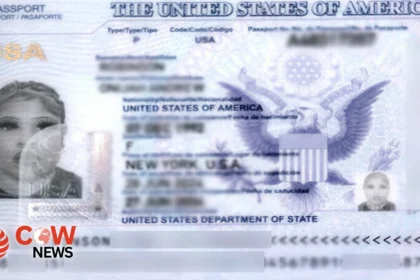


Beijing ( The COW News Digital) In a bold move to attract global talent, China has launched a new visa program called the “K-Visa”, offering foreign graduates, researchers, and skilled professionals unprecedented flexibility to work or start businesses in the country. The initiative is being viewed as Beijing’s strategic response to the United States’ rising H-1B visa costs, which have made the American work visa program prohibitively expensive for many applicants.
The U.S. H-1B visa, introduced in 1990, has been a gateway for skilled workers — especially in STEM fields — to secure employment in America. Each year, the program allows 65,000 general applicants and an additional 20,000 with advanced degrees from U.S. institutions to work in the country. However, Washington’s recent decision to impose annual fees reportedly reaching $100,000 per applicant over six years has placed a heavy burden on both sponsoring companies and foreign talent.
China appears to be capitalizing on this opportunity. Announced in August 2025 and coming into effect on October 1, the “K-Visa” allows international applicants to enter China without the need for a company invitation or pre-arranged job offer. This means fresh graduates and independent researchers can relocate, seek employment, or even launch startups freely — a major departure from the restrictive sponsorship-based systems used by many countries.
Unlike other Chinese visa categories, the K-Visa is designed to offer greater autonomy to its holders. Successful applicants will be able to participate in education, research, industrial projects, and entrepreneurship across major innovation hubs like Shanghai and Shenzhen.
Analysts believe this visa is part of China’s larger ambition to become a global leader in emerging technologies such as artificial intelligence, space exploration, and advanced manufacturing. By easing entry requirements, Beijing hopes to attract top talent from India, Southeast Asia, and even Western countries disillusioned by tightening U.S. immigration rules.
China’s government has also invested heavily in high-tech parks and research zones, providing incentives for foreign experts to settle and contribute to its innovation ecosystem. If successful, the K-Visa program could significantly boost China’s R&D capabilities and help it compete head-to-head with the U.S. in the global tech race.
With nations like Taiwan also opening their doors to skilled professionals, the competition for global talent is intensifying — and China’s latest move might just shift the balance in its favor.