

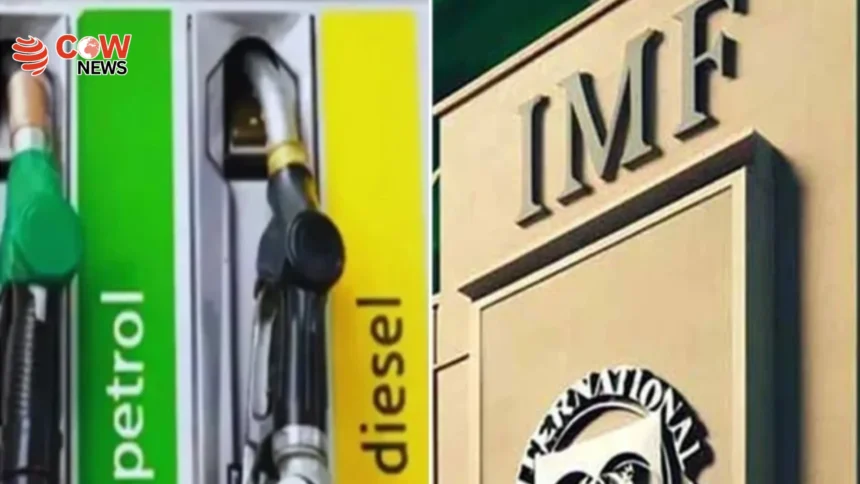
National ( The cow news digital ) Pakistan is preparing for a major fiscal tightening in the upcoming federal budget for 2026–27, with authorities considering new tax measures worth hundreds of billions of rupees under commitments linked to the International Monetary Fund (IMF).
According to official sources, the total size of the federal budget is expected to exceed Rs17 trillion. As part of ongoing negotiations with the IMF, the government has reportedly agreed to introduce additional revenue measures worth Rs860 billion to meet fiscal targets and stabilize public finances.
Sources indicate that the IMF has pushed for significant reforms in Pakistan’s tax structure, including efforts to generate an additional Rs2 trillion through sales tax adjustments. Officials say these proposals are part of broader efforts to expand the tax base and improve compliance across multiple sectors of the economy.
Under the emerging fiscal plan, authorities are also considering ending subsidies on petrol and diesel, a move expected to reduce the burden on the national budget but potentially increase fuel prices for consumers. Analysts warn that the decision could have a direct impact on inflation and transportation costs.
Officials further suggest that the next budget may impose an additional Rs430 billion burden on the public through new taxes and stricter enforcement mechanisms. Of this amount, Rs215 billion is expected to come from fresh tax measures, while the remaining revenue may be generated through audits and enhanced monitoring systems.
The government is also reportedly planning to increase petroleum levy collections to Rs1.727 trillion, which represents an increase of Rs260 billion compared to the current fiscal year. Sources say the strategy involves shifting fiscal pressure across different sectors to maintain overall revenue targets.
Despite repeated commitments to the IMF, authorities have struggled to increase tax collection from the agricultural sector, which contributes nearly 25% to the national economy but accounts for only 0.3% of total tax revenue. This imbalance remains a key concern for international lenders.
In addition to tax reforms, the government has assured the IMF of accelerating the privatization of state-owned enterprises. Plans have been shared to withdraw tax incentives for special economic zones by 2035 and to restructure or merge loss-making distribution companies if privatization efforts face delays.
Read more
- China Urges Global Support for Sustainable Sudan Solution
- US Envoy Backs Israel’s Claim to Wider Middle East
Authorities are also moving forward with plans to sell between 51% and 100% stakes in power distribution companies such as IESCO, GEPCO, and FESCO by early 2027, transferring management control to the private sector. Privatization of 27 state entities is currently underway, while delays have been reported in hiring financial advisers for key assets including Roosevelt Hotel.
Economic experts say the proposed measures reflect growing fiscal pressure but may also increase financial strain on households if not balanced with targeted relief policies.