

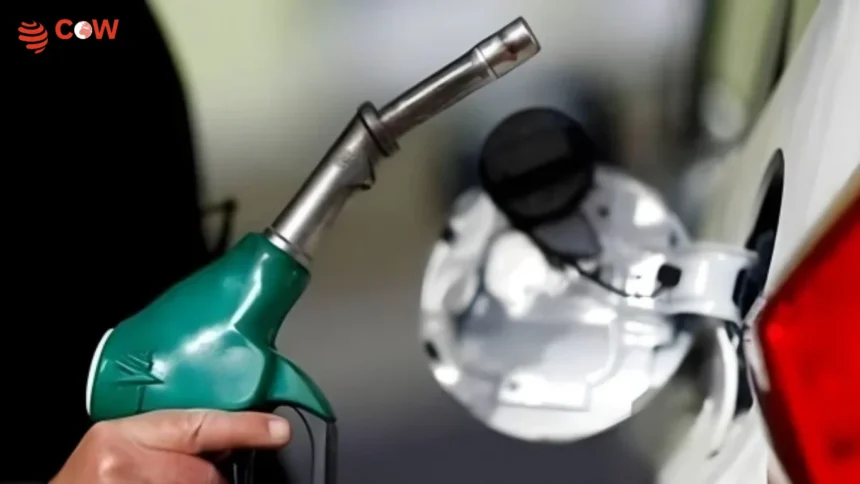
National ( The cow news digital ) The government of Pakistan has announced a significant reduction in the prices of petroleum products, offering relief to consumers amid ongoing economic challenges. According to an official notification issued by the Petroleum Division, the price of petrol and diesel has been reduced by Rs 22 per litre.
Following the revision, the new price of petrol has been set at Rs 381.78 per litre, while diesel will now cost Rs 380.78 per litre. The decision was announced during the Eid period, marking another adjustment in fuel prices within a short span of time.
Prime Minister Shehbaz Sharif said that providing relief to the public remains a top priority of his government. He stated that the government had promised to pass on any fiscal space to the people and that the latest reduction reflects the fulfillment of that commitment. He also noted that similar relief measures were introduced in the previous week as well.
According to the official statement, the government has continued efforts to ease the burden on citizens despite challenging economic conditions. It highlighted that subsidies had been provided to various sectors including public transport, goods carriers, motorcycles, and rickshaws to help stabilize transportation costs and reduce inflationary pressure.
The statement further claimed that even during periods of global oil price volatility, Pakistan ensured fuel availability without long queues or severe shortages, unlike some regional countries. It added that the government had previously absorbed substantial costs in the form of subsidies to prevent sharp increases in domestic fuel prices.
Over the past several weeks, fuel prices have seen multiple revisions. Earlier, a reduction of Rs 6 per litre was announced, followed by another cut of Rs 5 per litre in mid-May. These continuous adjustments reflect changing international oil market trends as well as domestic fiscal decisions aimed at balancing consumer relief with economic stability.
Economists note that while price reductions provide immediate relief to the public, long-term stability will depend on global oil prices, currency fluctuations, and government revenue strategies. Consumers, particularly in transport-dependent sectors, are expected to benefit from the latest decrease in fuel costs.
Authorities have indicated that further adjustments may be made in upcoming reviews based on international market conditions.