

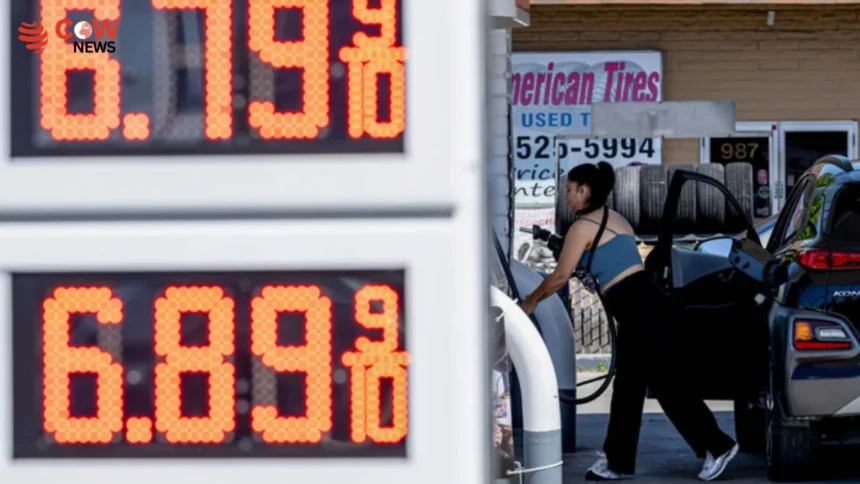
World ( The cow news digital ) Rising fuel prices in the United States, driven by geopolitical tensions linked to conflict involving Iran, have placed a significant financial burden on American households, with total additional costs estimated at $59 billion so far, according to economic analysis reported in U.S. media.
Moody’s chief economist Mark Zandi stated that the average American household is now paying approximately $450 more due to higher energy expenses since the escalation of tensions. The increase is largely attributed to rising prices of gasoline, diesel, and air travel fares, all of which have been affected by instability in global oil markets.
Zandi warned that if the situation continues without resolution, consumer spending behavior could shift further as households become more cautious with discretionary purchases. Such a trend could place additional pressure on an already fragile U.S. economy, which has been dealing with inflationary challenges and uneven growth.
According to Moody’s estimates, if fuel prices remain elevated at current levels, the cumulative burden on an average household could rise to nearly $2,000 over the course of a year. This projection highlights the long-term economic risks associated with sustained energy price shocks.
The analysis also noted that the $450 increase in household expenses has effectively offset financial gains from recent fiscal measures, including an average benefit of around $384 from President Trump’s tax package. This means that for many families, the impact of higher fuel costs has already neutralized expected policy-driven relief.
Economists emphasize that the impact of rising fuel prices extends beyond the transportation sector. Higher energy costs tend to ripple through the broader economy, affecting the price of goods, logistics, manufacturing, and even everyday services. As a result, consumers face rising costs not only at the gas pump but also in grocery bills, travel expenses, and household essentials.
Read more
- Trump Hopes Iran Talks Succeed, Warns Against Midnight Hammer
- US Envoy Backs Israel’s Claim to Wider Middle East
Experts further caution that sustained volatility in global energy markets could deepen economic uncertainty. Businesses may face higher operating costs, potentially leading to slower hiring or increased prices for end consumers.
For now, policymakers and economists continue to monitor global developments closely, as energy markets remain highly sensitive to geopolitical tensions. The situation underscores how international conflicts can have direct and measurable impacts on household budgets thousands of miles away.