

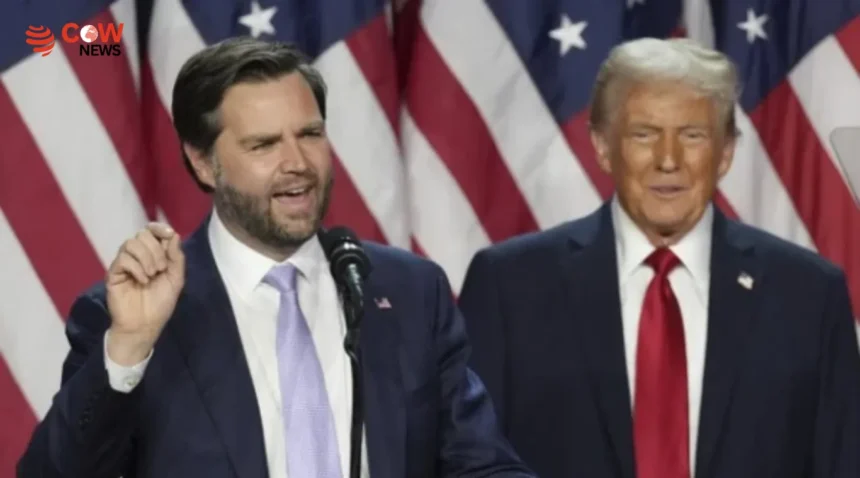
Washington (The COW News Digital) US President Donald Trump has denied that he instructed Vice President JD Vance to restart peace negotiations with Iran, despite reports that Vance sent a letter to Iranian security chief Mohsen Rezaei to explore the possibility of renewed diplomatic engagement.
According to The Wall Street Journal, Vance sent the letter to Rezaei as part of an effort to assess whether discussions between Washington and Tehran could resume. However, Trump disputed reports that the communication was intended to initiate peace negotiations, saying its purpose was to help facilitate the delivery of medical supplies to Iran.
Trump acknowledged authorising the contact but rejected the interpretation that he had directed his vice president to reopen peace talks with the Iranian government.
The differing accounts have raised questions about the purpose of the communication and whether the two countries are considering a renewed diplomatic channel amid ongoing tensions.
A separate report by US news outlet Axios said Vance’s letter emphasised the need to address issues surrounding Iran’s nuclear programme in any future negotiations. The reported contents suggest that nuclear concerns could remain a central issue if diplomatic engagement resumes.
The contrasting accounts from the US president and media reports have left the precise objective of the letter unclear. While Trump described the contact as an effort related to medical assistance, media reports linked it to possible discussions about restarting negotiations between the two countries.
The distinction is significant because medical assistance and nuclear diplomacy involve different policy objectives, even if communication on humanitarian matters can sometimes provide an opportunity for broader diplomatic contact.
Relations between Washington and Tehran have remained strained over a range of issues, including Iran’s nuclear activities, regional security and the possibility of further military confrontation. Any indication of renewed communication between senior officials is therefore likely to attract considerable international attention.
The reported involvement of Vance, one of the most senior figures in the US administration, has added to speculation about Washington’s approach to Iran. However, the available report does not establish whether the letter led to a formal response from Tehran or whether any subsequent discussions took place.
The reports also did not provide sufficient details about the proposed arrangements for delivering medical supplies or the specific nuclear issues mentioned in the letter. Further information would be needed to determine whether the communication was limited to humanitarian concerns or formed part of a wider diplomatic initiative.
The development comes as attention remains focused on the future of US-Iran relations and the potential consequences of renewed hostilities. Diplomatic engagement could offer a route to addressing outstanding disputes, but the two sides would need to clarify their positions before any formal negotiations could move forward.
The report also referred to speculation in Washington about the possibility of renewed US military action against Iran following the November 3 midterm elections. However, no final decision on a new military operation or the resumption of peace negotiations was detailed in the available account.
For now, Trump’s denial and the media reports present differing interpretations of Vance’s communication. Until further statements or independent confirmation emerge, the precise purpose of the letter and the prospects for renewed negotiations remain uncertain.