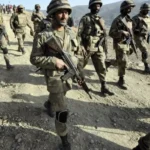


KABUL(The COW News Digital) Violence in Afghanistan has intensified as clashes between Taliban forces and rival militant factions continue across several provinces, raising concerns about regional stability and civilian safety. Recent reports indicate that ongoing fighting has resulted in multiple casualties and widespread displacement, highlighting the fragile security situation in the country.
According to local sources, heavy exchanges of gunfire and artillery have been reported in eastern and southern regions, particularly in Nangarhar and Helmand provinces. The fighting has disrupted daily life, forcing residents to flee their homes and seek shelter in safer areas. Aid agencies warn that the humanitarian situation is deteriorating rapidly, with thousands in urgent need of food, shelter, and medical care.
The Taliban, which assumed control of Afghanistan in 2021, faces challenges in consolidating power across the country. Internal disputes and resistance from militant groups loyal to previous regimes or opposing factions have contributed to the current instability. Analysts suggest that the resurgence of localized conflicts undermines the Taliban’s claims of nationwide control and threatens broader security in South and Central Asia.
In response to the escalating violence, the Taliban government has increased military patrols in conflict zones and issued statements calling for calm, but reports indicate that enforcement on the ground remains inconsistent. Civilians, caught in the crossfire, continue to bear the brunt of the clashes, with several hospitals reporting shortages of medical supplies and staff struggling to treat wounded individuals.
The international community has expressed concern over the worsening security situation. United Nations agencies and humanitarian organizations have urged all parties to respect human rights and allow safe access for aid deliveries. Regional powers, including Pakistan, Iran, and India, are closely monitoring developments, wary of potential spillover effects on neighboring countries.
Experts emphasize that sustainable peace in Afghanistan requires not only military containment of insurgent groups but also political reconciliation and economic support to address the root causes of instability. Without these measures, the risk of prolonged conflict and humanitarian crisis remains high.
As Afghanistan faces another turbulent period, observers stress the urgent need for dialogue among conflicting factions and increased international engagement to prevent further escalation and ensure the protection of civilians.