Tehran (The COW News Digital) Iran has accused the United States of contributing to growing maritime insecurity in the Persian Gulf and the Strait of Hormuz, arguing that American military actions and a naval blockade have placed regional shipping security at risk.
Tehran presented its position during a statement at the United Nations Security Council, criticising military operations by the United States and Israel and raising concerns about their consequences for maritime safety in the strategically important region.
The Iranian representative said Washington’s actions could not be overlooked when assessing the causes of insecurity in the Persian Gulf and the Strait of Hormuz. Tehran maintained that US policies and the naval blockade were key factors contributing to the deteriorating security environment.
Iran also criticised what it described as continuing military aggression by the United States and Israel, claiming that these actions had increased risks for commercial shipping and maritime operations across the region.
The allegations reflect growing tensions surrounding one of the world’s most strategically significant maritime corridors. The Strait of Hormuz connects the Persian Gulf with the Gulf of Oman and the wider Arabian Sea, making it a crucial route for international energy transportation.
Large volumes of crude oil and petroleum products pass through the narrow waterway, linking major oil-producing countries in the Gulf with international markets. Any disruption to shipping through the strait can create uncertainty in global energy supplies and potentially influence oil prices.
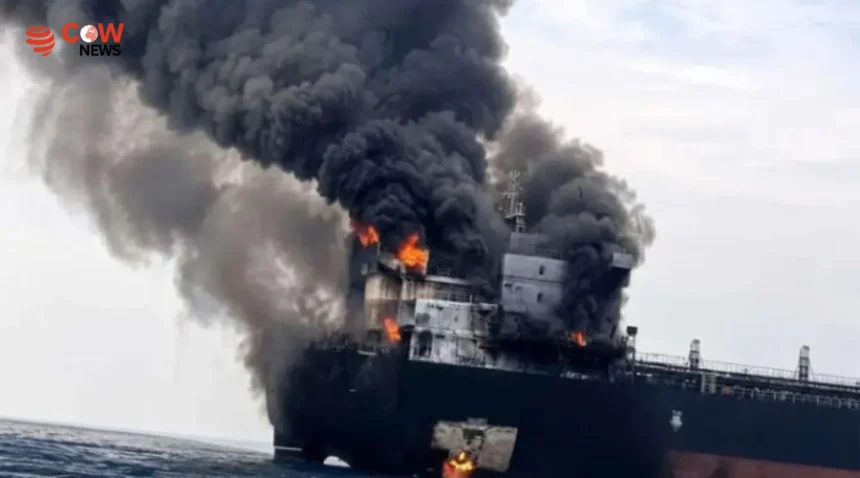
Iran’s statement comes amid heightened concerns about the security of vessels operating in and around the Persian Gulf. Restrictions on maritime movement, military deployments and confrontations involving regional and international powers can complicate commercial shipping operations and increase risks for vessels and their crews.
The Iranian representative argued that responsibility for the current situation must be assessed by examining the actions of the United States and its regional military policies. Tehran’s position places Washington’s maritime measures at the centre of its explanation for the growing insecurity.
However, the allegations represent Iran’s official position, and the claims do not independently establish responsibility for every security incident in the region. The available report did not provide a detailed response from Washington or independently verified evidence supporting all aspects of Tehran’s accusations.
The dispute also highlights the wider international implications of tensions in the Strait of Hormuz. Governments, energy companies and shipping operators closely monitor developments in the area because instability could affect tanker movements, insurance costs and the reliability of energy deliveries.
The United Nations Security Council remains an important forum for discussing threats to international peace and security, including disputes that could affect vital maritime routes. Statements delivered before the council can bring competing national positions into the international diplomatic debate, although they do not necessarily result in immediate policy changes.
For international markets, the principal concern is whether rising tensions could lead to further restrictions on shipping or direct confrontations at sea. Even without a complete interruption of maritime traffic, uncertainty surrounding access to the strait can affect commercial decisions and energy market expectations.
Iran’s latest statement underscores the continuing disagreement between Tehran and Washington over military activities and maritime security in the Gulf. Whether diplomatic engagement can reduce tensions will remain an important question for regional stability and the uninterrupted movement of global energy supplies.