
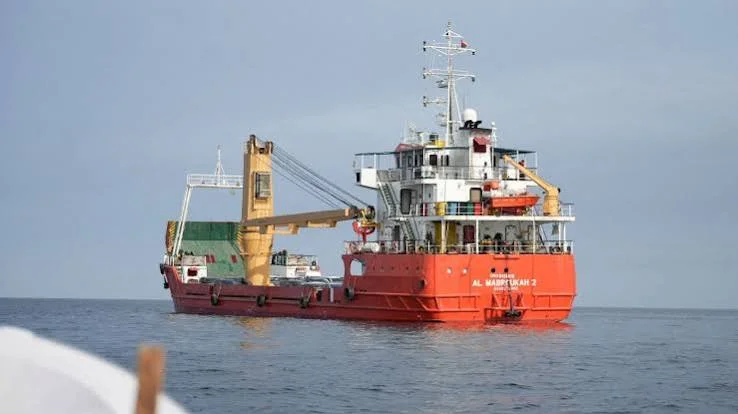
Iran (The COW News Digital)Iran has issued a strong warning to the international community, stating that the continued enforcement of a United States naval blockade could lead to the closure of the Strait of Hormuz and potentially other strategic maritime routes, raising concerns over global energy supplies and international trade.
The warning was delivered by Mohammad Baqer Zolghadr, Secretary of Iran’s Supreme National Security Council, who said that continued military pressure and maritime restrictions imposed by Washington could trigger broader disruptions across key shipping lanes.
According to statements carried by Iranian state media, Zolghadr argued that the ongoing US naval measures have significantly increased tensions in the region. He warned that if the current situation persists, the Strait of Hormuz—one of the world’s busiest oil transit corridors—could face complete closure, alongside other critical waterways.
Iran maintains that such developments would not only affect regional security but also have far-reaching consequences for the global economy. Officials in Tehran believe that disruptions to major maritime routes would place additional pressure on international energy markets, potentially leading to higher oil prices, supply chain delays, and increased transportation costs worldwide.
The Iranian official also claimed that the economic impact would extend beyond the Middle East, affecting global financial markets and even American consumers. He argued that policies adopted by Washington could ultimately create political and economic challenges within the United States itself.
The latest warning comes amid heightened tensions between Tehran and Washington following renewed US maritime operations in the region. On July 14, the United States Central Command (CENTCOM) announced the reimplementation of naval blockade measures against Iran under the direction of President Donald Trump. The move marked another escalation in the long-running dispute over regional security and maritime freedom.
The Strait of Hormuz remains one of the most strategically important waterways in the world, with a significant share of global crude oil and liquefied natural gas shipments passing through the narrow passage connecting the Persian Gulf with international waters. Any disruption to traffic through the strait is closely monitored by governments, energy companies, and financial markets due to its potential impact on global trade and fuel prices.
While Iran has repeatedly warned that continued military pressure could prompt stronger countermeasures, international observers continue to monitor diplomatic and military developments in the Gulf region. Analysts say any prolonged disruption in maritime traffic could have widespread economic implications, making diplomatic engagement crucial to preventing further escalation.
As tensions remain high, the international community is closely watching developments that could influence regional stability, global energy security, and the uninterrupted flow of international commerce.