New York(The COW News Digital) Global oil prices declined on Wednesday after US President Donald Trump said that American and Iranian representatives had held “very good” and productive talks on the sidelines of the United Nations General Assembly in New York. The development eased some market concerns over the possibility of further escalation in the Middle East and raised expectations that diplomatic engagement could help reduce tensions.
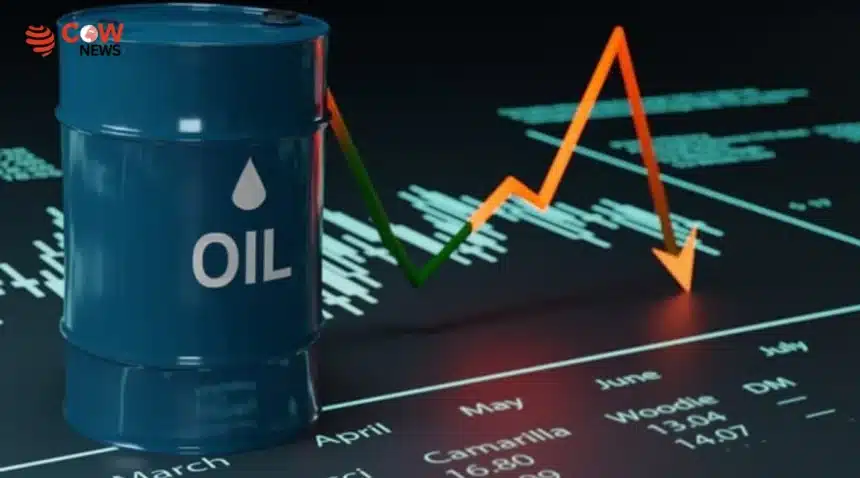
During early Asian trading, Brent crude, the international benchmark, fell below the psychologically important $100-per-barrel mark, reaching around $98.91 a barrel. West Texas Intermediate (WTI), the main US crude benchmark, also declined to approximately $89.93 per barrel. The move came after oil prices had repeatedly traded above the $100 level amid heightened geopolitical tensions and concerns about disruptions to regional energy supplies.
Market participants responded positively to reports of renewed diplomatic contact between Washington and Tehran. Trump said US and Iranian officials had met for roughly three hours and described the discussions as very productive. He also indicated that another meeting was expected in the near future, signaling that diplomatic channels between the two sides remain active.
The talks took place against the backdrop of heightened tensions between the United States and Iran. Trump had delivered a strongly worded address to the UN General Assembly shortly before revealing details of the meeting, highlighting the uncertainty surrounding the conflict and the possibility of further military escalation. Despite those warnings, news of direct diplomatic engagement provided some relief to financial and energy markets.
Oil markets have remained particularly sensitive to developments involving the Middle East because the region is central to global energy supplies. Any disruption to crude production, exports or shipping routes could place upward pressure on prices, while signs of de-escalation can have the opposite effect by reducing fears of supply shortages.
The Strait of Hormuz has been a major focus for traders throughout the crisis. Improvements in oil flows through the waterway, alongside reports of diplomatic efforts, have contributed to expectations that supply disruptions could ease. Reuters previously reported that Saudi Arabia had increased exports through the Strait as regional energy flows showed signs of recovery.
However, the latest decline in oil prices does not necessarily signal that geopolitical risks have disappeared. Analysts continue to monitor negotiations, sanctions, military developments and the security of regional shipping routes. The United States and Iran also remain divided over several major issues, meaning markets could remain highly sensitive to fresh statements or developments.