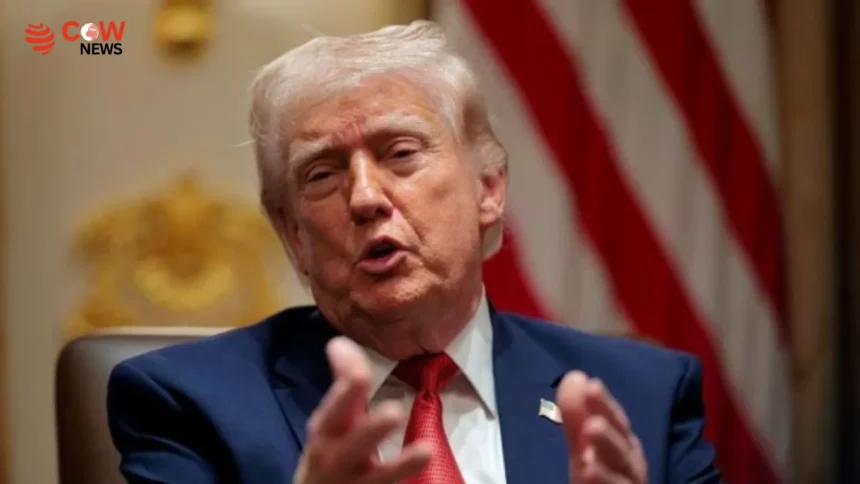
WASHINGTON(The COW News Digital)US President Donald Trump has directed Vice President JD Vance and Secretary of State Marco Rubio to continue diplomatic engagement with Iran, signaling that Washington intends to keep communication channels open even as tensions between the two countries remain elevated.
The instruction comes after weeks of increasingly hostile exchanges between the United States and Iran, including sharp public statements and reported military-related incidents that have intensified concerns over regional stability. Despite the confrontational atmosphere, officials believe sustained diplomatic contact could help prevent further escalation and create space for negotiations on key security issues.
According to US media reports, the Trump administration aims to pursue a dual-track strategy that combines diplomatic outreach with continued pressure on Tehran. The approach is expected to focus on Iran’s nuclear program, regional security, and other long-standing disputes that have shaped relations between the two nations for decades.
Political analysts say the president’s decision reflects a pragmatic effort to balance deterrence with diplomacy. While Washington continues to maintain pressure through its broader foreign policy measures, the administration appears unwilling to close the door on dialogue that could reduce the risk of direct confrontation.
Recent developments have underscored the fragile state of US-Iran relations. Both sides have exchanged strong rhetoric, and reports of military activity have fueled speculation about the possibility of further conflict. Nevertheless, indirect diplomatic contacts are believed to have continued through intermediaries, suggesting that neither side is prepared to abandon negotiations entirely.
Experts note that keeping diplomatic channels active is particularly important at a time when regional security remains uncertain. They argue that ongoing communication can help manage crises, reduce misunderstandings, and provide opportunities to address contentious issues before they develop into larger conflicts.
The involvement of Vice President JD Vance and Secretary of State Marco Rubio indicates that the administration is placing significant emphasis on maintaining a coordinated diplomatic effort. Their roles are expected to include overseeing discussions aimed at addressing nuclear concerns, regional security challenges, and broader geopolitical issues affecting the Middle East.
Read more
- Pakistan, Taliban, and Afghanistan: The Complex Triangle of Influence
- Imran Khan and the Politics of Idolization
While the latest directive signals Washington’s willingness to continue engaging with Tehran, observers caution that meaningful progress will depend on the outcome of future negotiations. Deep disagreements over nuclear policy, sanctions, and regional influence continue to present significant obstacles to any comprehensive agreement.
For now, the administration’s latest move suggests that the United States is seeking to preserve diplomatic options while maintaining pressure on Iran, reflecting a strategy that relies on both negotiation and strategic leverage to advance its foreign policy objectives.