



London (The COW News Digital) Scientists have reported encouraging early results from an experimental gene therapy designed to help people living with epilepsy that does not respond to conventional medication. The treatment reportedly reduced the frequency of monthly seizures by more than 90 per cent among patients involved in a small clinical study.
The findings, published in The New England Journal of Medicine, examined the effects of the innovative approach in three adult patients. Researchers described the results as a promising development in the search for new treatments for drug-resistant epilepsy.
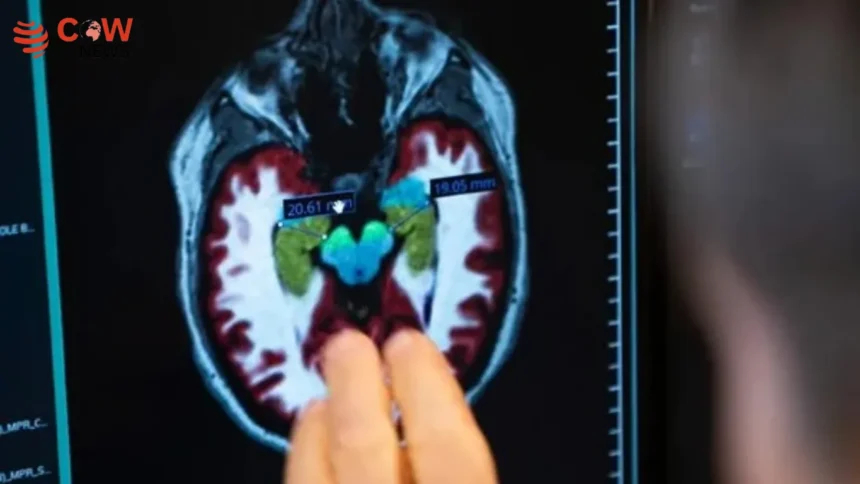
According to the research, the therapy involves delivering genetic material directly into a specific region of the brain associated with the onset of epileptic seizures.
Scientists use a modified virus as a delivery vehicle to transport the genetic material to targeted nerve cells. The approach is designed to influence abnormal electrical activity in the affected brain region, potentially reducing the likelihood of seizures.
Epilepsy is a neurological disorder characterised by recurrent seizures caused by abnormal electrical activity in the brain. While many patients can manage the condition through medication, a significant proportion continue to experience seizures despite treatment.
The experimental gene therapy aims to address this challenge by targeting the underlying activity in the brain rather than relying solely on conventional medicines.
Epilepsy affects hundreds of thousands of people in the United Kingdom. According to estimates cited in the supplied report, approximately 600,000 people in Britain are living with the condition.
Around one in three patients may have epilepsy that does not respond adequately to standard anti-seizure medications.
For people with drug-resistant epilepsy, recurrent seizures can significantly affect their quality of life. The condition may increase the risk of physical injuries, difficulties with memory and cognitive function, and complications associated with uncontrolled seizures.
In some cases, persistent seizures can also increase the risk of premature death.
Although alternative treatments, including surgery and specialised therapies, may be available for selected patients, not everyone is suitable for these options.
The initial findings have generated optimism among researchers and medical specialists. However, experts emphasise that the study involved only three adult patients, making it too early to establish the treatment’s effectiveness across a wider population.
Further clinical trials involving larger groups of patients will be required to determine whether the reported reduction in seizures can be consistently achieved.
Researchers will also need to assess the therapy’s long-term safety, potential side effects and durability of benefits.
Gene therapies involving direct intervention in the brain require careful evaluation because their effects may persist over an extended period. Establishing appropriate patient selection criteria and monitoring procedures will therefore be essential.
The early results offer hope for patients whose seizures remain uncontrolled despite conventional treatment.
If future studies confirm the findings, gene therapy could potentially become an additional treatment option for selected individuals with drug-resistant epilepsy.
However, the approach remains experimental and should not be considered an established treatment at this stage.
The research highlights the growing role of genetic medicine in neurological disorders and the possibility of developing more targeted approaches to conditions that have historically been difficult to manage.
For now, scientists say larger and longer-term clinical trials are necessary before the therapy can be considered for routine medical use.