
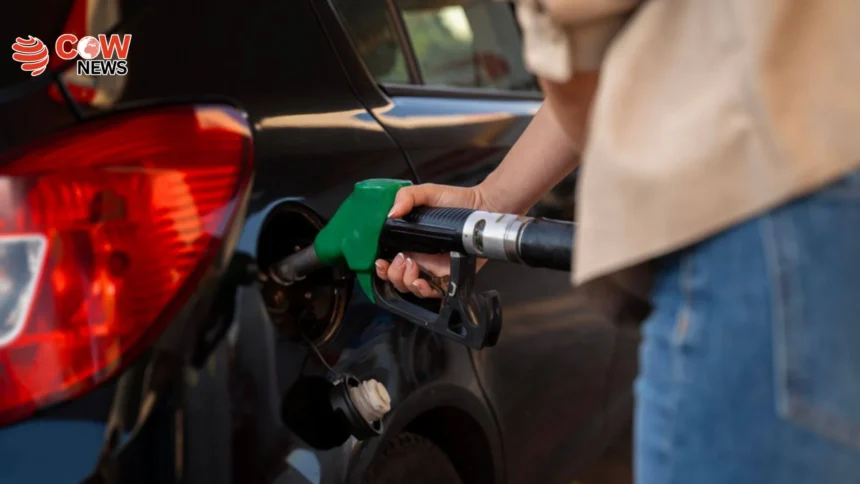
Health: (The Cow News Digital) A recent study conducted by researchers at the University of Montreal has raised serious concerns about the health risks faced by children living near petrol stations, warning of a significantly higher likelihood of developing cancer, particularly blood-related cancers.
The research, led by Professor Stephen Buteau, suggests that only 5 to 10 percent of childhood cancer cases are linked to genetic factors, while the majority are associated with environmental influences, especially air pollution.
According to the findings, petrol contains a highly toxic chemical known as benzene, which is classified as a known carcinogen. Benzene is released into the air during fuel storage, vehicle refueling, and tanker unloading processes, allowing harmful vapors to spread into surrounding environments.
A report from the Health Canada supports these concerns, stating that emissions from petrol stations can pose serious health risks to nearby residents, particularly pregnant women and children.
The study analyzed data showing that children born in homes located within 250 meters of a petrol station had a noticeably higher risk of developing blood cancer compared to those living farther away. The risk was found to increase further when residences were within 100 meters or less of such facilities.
Researchers explained that petrol vapors released during fuel handling activities, such as tank refilling and vehicle fueling, contribute to air contamination. These emissions can linger in nearby residential areas and gradually affect human health over time.
Although the study was conducted in Canada, researchers emphasized that its findings are relevant globally. Interestingly, lower risk levels were observed in cities like Montreal, where strict environmental regulations and advanced vapor control systems are in place. These systems, known as vapor recovery technology, help reduce the release of toxic fumes into the atmosphere.
The study highlighted that the period during pregnancy and early childhood is particularly sensitive, as developing cells are more vulnerable to environmental toxins. Exposure during this stage can have long-term health consequences.
read more
- China Urges Global Support for Sustainable Sudan Solution
- US Envoy Backs Israel’s Claim to Wider Middle East
Experts recommend that residential areas, schools, and daycare centers should be located at safe distances from petrol stations. They also stress the importance of installing emission control systems at fuel stations to minimize harmful vapor release.
Researchers plan to continue their work by examining the impact of industrial emissions and fine airborne particles on children’s health. The study underscores that preventive measures and stricter regulations could significantly reduce health risks and protect future generations.