
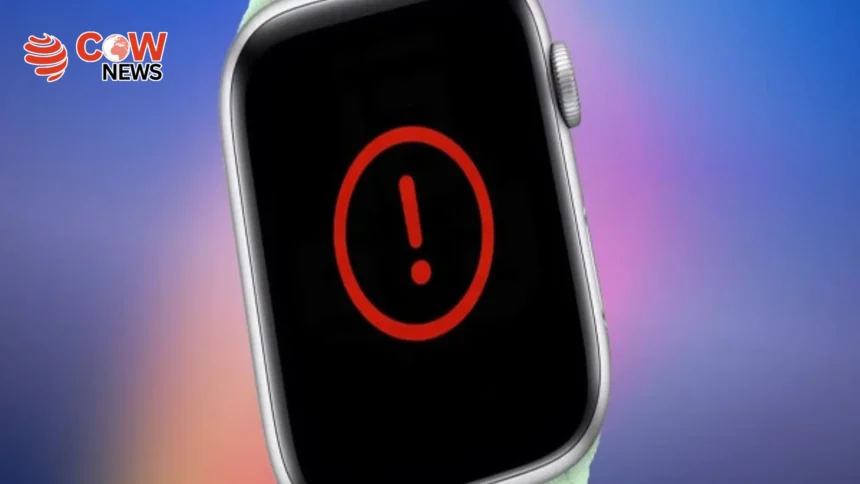
Washington(The COW News Digital)A recent study has found that the high blood pressure alert feature on Apple Watch cannot replace regular medical testing, experts have warned. While wearable technology offers convenient health tracking, relying solely on it for blood pressure monitoring may provide false reassurance and pose health risks.
Medical specialists emphasize that individuals should continue using traditional blood pressure devices, such as cuff-based monitors, to check their blood pressure at regular intervals. These devices remain the most reliable method for accurate readings and early detection of hypertension or other cardiovascular conditions.
Apple itself has clarified that its “High Blood Pressure Notification” feature is not designed for diagnosing, treating, or monitoring any medical condition. The company states that the feature is intended solely for awareness and is not a substitute for professional medical care.
Read More:
- Deadly Islamabad Attack Highlights Pakistan’s Regional Challenges
- Pakistan’s Silence Spoke Loudly and World Cricket Felt the Shock
Experts highlight that while wearable devices can help users notice potential anomalies in their heart rate or blood pressure trends, they should not be considered definitive indicators of health. The risk of false reassurance—believing one’s health is normal based solely on a smartwatch reading—could delay timely medical intervention.
The Apple Watch alert system is not capable of detecting or managing conditions such as blood clots, strokes, atrial fibrillation, heart failure, or high cholesterol. Patients with these conditions or those at risk are advised to follow up with healthcare professionals and use validated medical equipment for accurate monitoring.
Dr. Sana Ali, a cardiologist, noted, “Wearable technology is useful for encouraging healthier lifestyles, but it cannot replace in-person medical evaluation. Regular checkups and proper measurements are critical, especially for people with pre-existing conditions or family history of heart disease.”
Apple’s wearable technology has gained popularity for its user-friendly interface and instant notifications, but experts insist that users interpret its health alerts as preliminary guidance rather than a clinical diagnosis. Users are encouraged to combine smartwatch insights with professional medical advice to maintain cardiovascular health.
In conclusion, while the Apple Watch can help people stay aware of potential health issues, it is not a substitute for traditional blood pressure monitoring or professional medical evaluation. Accurate measurement and timely intervention remain essential for preventing and managing heart-related illnesses.