The Ruet-e-Hilal Research Council has indicated that Eid ul Adha in Pakistan is likely to be observed on Wednesday, May 27, based on scientific calculations related to the lunar calendar.
According to the council’s Secretary General Khalid Ijaz Mufti, astronomical data suggests a strong possibility that the Islamic festival of Eid ul Adha will fall on May 27 this year. He explained that the birth of the new moon is expected to occur during the night of May 16 and 17 at 1:15 AM Pakistan Standard Time.
He further stated that by the evening of May 17, the age of the moon at sunset will be slightly more than 18 hours in most parts of Pakistan, which is generally considered suitable for the sighting of the crescent moon under traditional criteria.
However, the final decision will depend on weather conditions. If cloudy skies prevent moon sighting on the evening of May 17, then the month of Dhul Qadah will complete 30 days, and the first day of Dhul Hijjah will fall on May 19 (Tuesday). In such a case, Eid ul Adha would still likely be observed on May 27.
The council also noted the possibility that Pakistan and Saudi Arabia may observe Eid ul Adha on the same day this year, aligning religious celebrations across both countries. This synchronization is often welcomed by pilgrims and the wider Muslim community due to its religious and logistical significance.
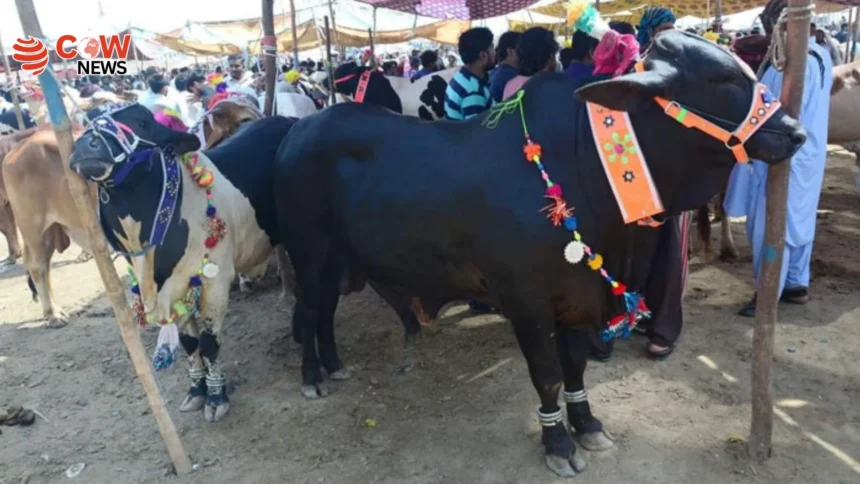
The announcement comes as preparations for Eid ul Adha begin across the country, with livestock markets, transportation arrangements, and security planning already underway in anticipation of the festival.
Read more:
Eid ul Adha, also known as the “Festival of Sacrifice,” is one of the most significant religious celebrations in the Islamic calendar, marking the willingness of Prophet Ibrahim (AS) to sacrifice in obedience to God.
Final confirmation of the date will depend on official moon sighting announcements by the central moon sighting committee closer to the expected date.
Eid ul Adha holds profound significance in the hearts of Muslims worldwide. It not only commemorates the obedience of Prophet Ibrahim (AS) but also serves as a reminder of the values of sacrifice, charity, and community. Families come together to celebrate with prayers, meals, and the sharing of resources, particularly through the Qurbani, the ritual sacrifice of animals.
The festival is celebrated on the 10th day of Dhul Hijjah, following the completion of Hajj, the annual pilgrimage to Mecca. This timing underscores the festival’s connection to one of the five pillars of Islam, further elevating its importance in the Islamic faith. The spirit of Eid ul Adha brings joy, unity, and a sense of belonging among Muslims, fostering a sense of communal identity.
In preparation for Eid ul Adha, it is customary for families to purchase livestock such as goats, sheep, or cows, depending on their financial capability and preferences. Local markets become bustling centres of activity as people select their animals for sacrifice, ensuring they meet the requirements set by Islamic law. This aspect of Eid ul Adha not only supports the agricultural economy but also strengthens community bonds as neighbours engage in discussions about their chosen livestock.
Moreover, the act of Qurbani is not merely a tradition but also an opportunity for Muslims to give back to those less fortunate. The meat from the sacrificed animals is distributed among family, friends, and those in need, reflecting the festival’s core values of charity and compassion. Many families make it a point to involve their children in the process, teaching the next generation the significance of generosity and the true essence of Eid ul Adha.
This year, as the community gears up for Eid ul Adha, various organisations and charities are also setting up initiatives to ensure that those in need receive their fair share of the Qurbani distribution. This collective effort highlights the communal spirit of the festival, as it encourages Muslims to not only reflect on their own blessings but also to extend their hands to help others, embodying the true spirit of Eid ul Adha.
As the date approaches, it is essential for everyone to stay updated with official announcements to confirm the precise timing of Eid ul Adha celebrations. Community leaders and mosques play a crucial role in disseminating this information, ensuring that everyone can participate in the festivities with joy and dedication.