

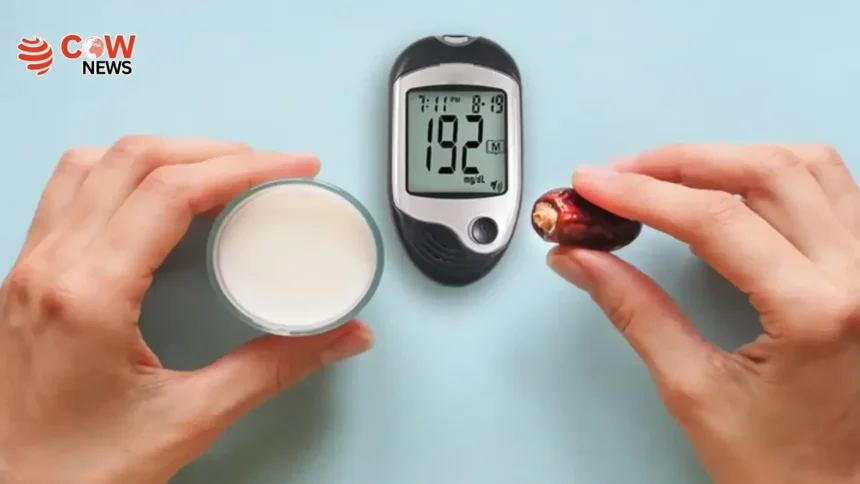
Islamabad(The COW News Digital)High blood pressure (hypertension) patients need extra care during Ramadan, as changes in diet, hydration, and lifestyle can affect blood pressure. Following some simple steps can help maintain health while observing fasts.
1. Follow Your Medication Routine
Patients should not alter their prescribed medication schedules. Doctors advise taking blood pressure medicine after Taraweeh prayers rather than at Iftar to ensure maximum effectiveness. If a dose is missed, avoid doubling it the next day and continue as usual.
2. Limit Salt Intake
High salt consumption can elevate blood pressure. Avoid salty foods like chips, parathas, and pickles during Suhoor and Iftar. Focus on fruits, vegetables, and low-sodium meals to help control blood pressure naturally.
3. Stay Hydrated
Dehydration can negatively impact blood pressure. Drink at least 8–10 glasses of water between Iftar and Suhoor to maintain proper hydration. Avoid excessive caffeine, which can increase fluid loss.
4. Use Low-Fat Dairy
Low-fat milk can support heart health and help manage blood pressure. Incorporate it into your Suhoor and Iftar meals for better results.
5. Manage Stress
Mental stress can spike blood pressure. Practices such as meditation, deep breathing, and prayer can help keep blood pressure stable during fasting.
6. Eat at the Right Time
Start Iftar with dates and water, followed by a light, balanced meal. Avoid heavy, fried, or overly spicy foods that can raise blood pressure.
7. Include Light Exercise
Even during fasting, light physical activity like walking after Iftar can help control blood pressure. Always consult your doctor before beginning any exercise routine.
8. Prioritize Sleep
Adequate rest is crucial. Poor sleep can increase stress and blood pressure, so aim for sufficient sleep during Ramadan nights.
9. Monitor Your Blood Pressure
Regularly check your blood pressure to detect any sudden changes. Contact your doctor immediately if readings are unusually high.
By following these tips, high blood pressure patients can observe Ramadan safely. Always consult your healthcare provider if needed to ensure your health remains stable throughout the month.