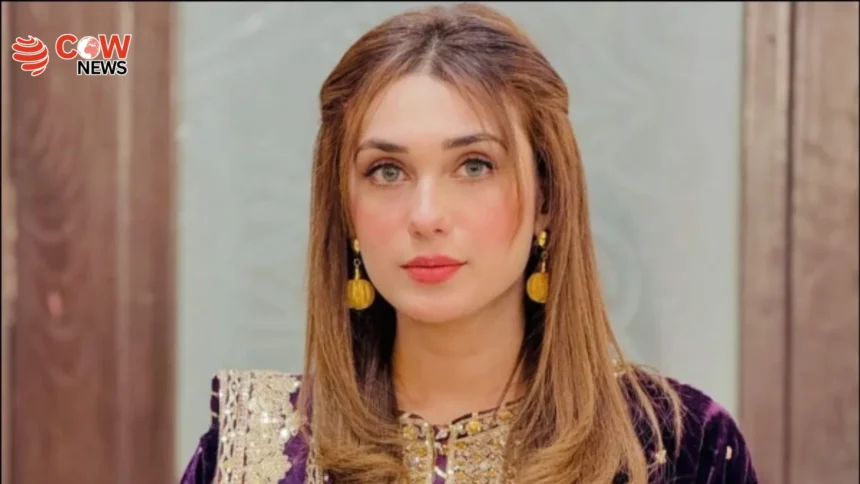
National ( The cow news digital ) Pakistani actress Hina Tariq has ignited a heated debate on social media after expressing controversial views on feminism, gender roles, and modern relationships during a recent YouTube interview.
Known for her performances in popular drama serials, Hina Tariq openly shared her perspective on what she believes are traditional roles of men and women in relationships. Her remarks quickly gained attention online, drawing both support and criticism from audiences across the country.
During the interview, the actress stated that she does not prefer men who are overly soft, emotional, or “too sensitive.” Instead, she emphasized that men should embody strength, decisiveness, and independence. According to her, these traits are essential for maintaining balance in a relationship.
Hina further elaborated on her expectations from a life partner, saying she values a man who takes responsibility, plans ahead, and manages practical aspects of life. She mentioned gestures such as paying rent, giving flowers, and taking care of day-to-day matters as qualities she finds appealing. Despite being financially independent herself, she stressed that she still expects men to fulfill what she described as their “natural responsibilities.”
The actress also expressed criticism toward women who, in her view, attempt to take on traditionally male roles. She stated that she prefers a dynamic where men handle physically demanding or practical tasks, such as refueling vehicles or carrying heavy items, while women enjoy care, attention, and affection.
In one of her most controversial remarks, Hina Tariq described feminism in harsh terms, calling it a negative influence. She argued that women are inherently gentle and should be treated with love rather than adopting aggressive or confrontational attitudes.
read more
- Pakistan, Taliban, and Afghanistan: The Complex Triangle of Influence
- Imran Khan and the Politics of Idolization
Her comments have sparked mixed reactions online. While some users supported her views, calling them aligned with cultural and traditional values, others criticized her stance as dismissive of modern feminist movements and gender equality efforts.
The debate highlights the ongoing divide in societal perspectives on gender roles, especially in evolving cultural contexts where traditional values and modern ideologies often intersect.