

Islamabad(The COW News Digital)A recent study has raised alarming concerns for cancer patients, revealing that high consumption of ultra-processed foods (UPFs) could significantly increase the risk of early death. Patients who regularly consume these foods may face nearly a 60 percent higher risk of dying from cancer-related causes, according to the research.
The study was published in a leading cancer awareness journal, the official publication of a U.S.-based cancer research institute. Italian researchers affiliated with a scientific institute examined dietary and health data from over 24,000 individuals in Southern Italy’s Molise region, collected between 2005 and 2022. Among the participants were 802 cancer survivors whose detailed dietary habits were analyzed.
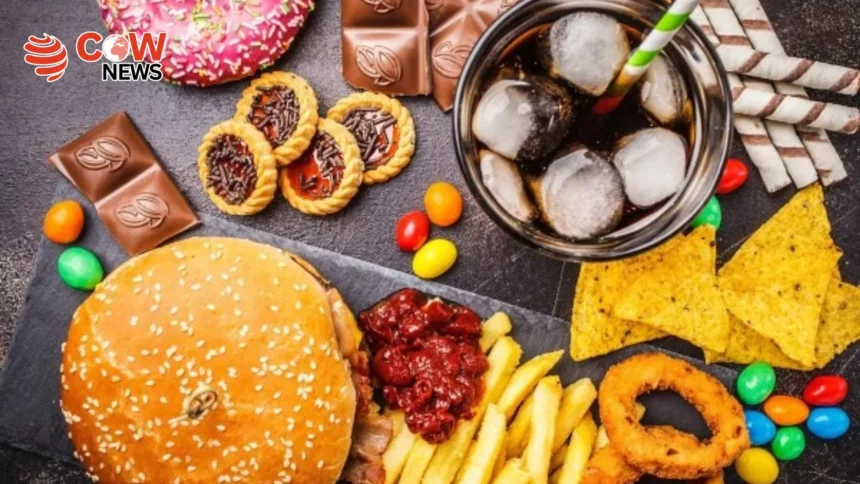
Results indicate that individuals with the highest intake of ultra-processed foods had a 48 percent increased risk of death from any cause and a 59 percent higher risk of dying specifically from cancer. Ultra-processed foods include ice cream, processed meats, chips, bakery items, ready-made meals, sugary drinks, and products containing artificial sweeteners.
Read More:
- Deadly Islamabad Attack Highlights Pakistan’s Regional Challenges
- From Silence to Power: Pakistan’s Decision That Shook World Cricket
- Trump Hopes Iran Talks Succeed, Warns Against Midnight Hammer
Lead researcher Dr. Marialuora Bonashio explained that chemical additives in industrially processed foods can disrupt the body’s metabolism, alter gut microbiota, and promote inflammation. “Even when calorie counts and nutrient values appear similar, the processing methods make these foods more harmful,” she noted.
The findings highlight the hidden dangers of convenience foods, particularly for individuals recovering from cancer or those at risk of recurrence. Experts emphasize that limiting ultra-processed foods and focusing on fresh, minimally processed alternatives could support better health outcomes and potentially improve survival rates.
Nutritionists suggest prioritizing fruits, vegetables, whole grains, and lean proteins while reducing reliance on ready-to-eat packaged foods. They also recommend reading food labels carefully to identify additives and artificial ingredients that may contribute to inflammation and metabolic disruption.
The study adds to a growing body of evidence linking ultra-processed foods to chronic diseases, including obesity, cardiovascular disorders, and metabolic conditions. For cancer patients and survivors, making dietary adjustments could be a crucial step in improving quality of life and reducing long-term risks.