



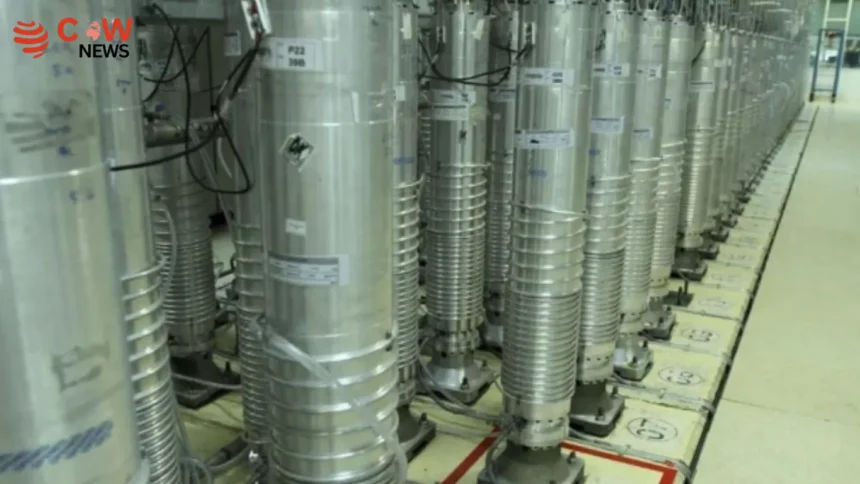
Doha (The COW News Digital) Qatar is reportedly working on a new diplomatic initiative aimed at reducing tensions between the United States and Iran and potentially reopening the strategically important Strait of Hormuz. The proposal is said to involve persuading Tehran to allow United Nations inspectors access to nuclear facilities affected by recent bombing.
Qatar is attempting to encourage Iran to permit international inspections of sites believed to contain its stockpile of enriched uranium. The proposed initiative could offer a diplomatic pathway towards addressing concerns over Iran’s nuclear programme while helping restore maritime traffic through the critical waterway.
The reported proposal comes amid continuing regional tensions and growing international concerns over the security of energy shipments passing through the Strait of Hormuz.
Qatar has been involved in diplomatic efforts to ease tensions between Washington and Tehran. The latest initiative reportedly focuses on nuclear transparency and international monitoring as possible elements of a broader understanding between the two countries.
Under the proposal, Iran would be encouraged to grant United Nations nuclear inspectors access to facilities where enriched uranium is believed to be stored.
The reported plan includes sites that sustained damage during recent bombing operations. Access to these locations could help international inspectors assess the condition of nuclear materials and address questions surrounding Iran’s uranium stockpile.
The initiative is reportedly intended to create a framework for negotiations without requiring Iran to immediately surrender its enriched uranium reserves.
However, the proposal remains dependent on the willingness of the parties involved to engage in negotiations and agree on the terms of any arrangement.
One of the reported elements under consideration is a process known as downblending.
Downblending involves reducing the enrichment level of uranium by mixing highly enriched material with other uranium, bringing it to a lower enrichment level.
The process could potentially reduce concerns surrounding Iran’s nuclear stockpile while allowing Tehran to retain the material within the country.
The reported Qatari proposal does not necessarily require Iran to transfer its enriched uranium outside its borders. Instead, alternative arrangements, including reducing enrichment levels, are reportedly being considered.
Such an approach could provide negotiators with greater flexibility in addressing disagreements over Iran’s nuclear activities.
Nevertheless, the technical details, monitoring arrangements and safeguards required for any agreement have not been publicly confirmed.
The reopening of the Strait of Hormuz is reportedly one of the key objectives behind Qatar’s diplomatic efforts.
The narrow waterway connects the Persian Gulf with the Gulf of Oman and serves as a major route for international oil and gas shipments.
Its strategic importance makes maritime security in the region a significant concern for energy markets and countries dependent on Gulf exports.
Any disruption to shipping through the strait can affect international trade, energy supplies and transportation costs.
Qatar’s reported initiative seeks to connect progress on nuclear negotiations with efforts to restore safe maritime passage.
A potential agreement could therefore have implications extending beyond the nuclear issue, particularly for regional stability and global energy security.
Despite the reported diplomatic initiative, there has been no confirmed agreement indicating that Iran has accepted the proposal or granted United Nations inspectors access to the affected nuclear facilities.
The report also does not establish whether Washington and Tehran have reached a consensus on the proposed arrangements.
The success of the initiative will depend on several factors, including Iran’s willingness to cooperate with international inspectors, the United States’ position and the outcome of future diplomatic discussions.
Negotiations may also involve questions concerning nuclear safeguards, uranium enrichment limits and the conditions required for restoring maritime traffic.
For now, Qatar’s reported proposal represents a possible diplomatic avenue rather than a confirmed breakthrough.
If accepted by the relevant parties, the initiative could help create an opportunity for negotiations aimed at reducing tensions and addressing concerns over nuclear activities.
The coming diplomatic discussions will determine whether the proposal can develop into a workable agreement.