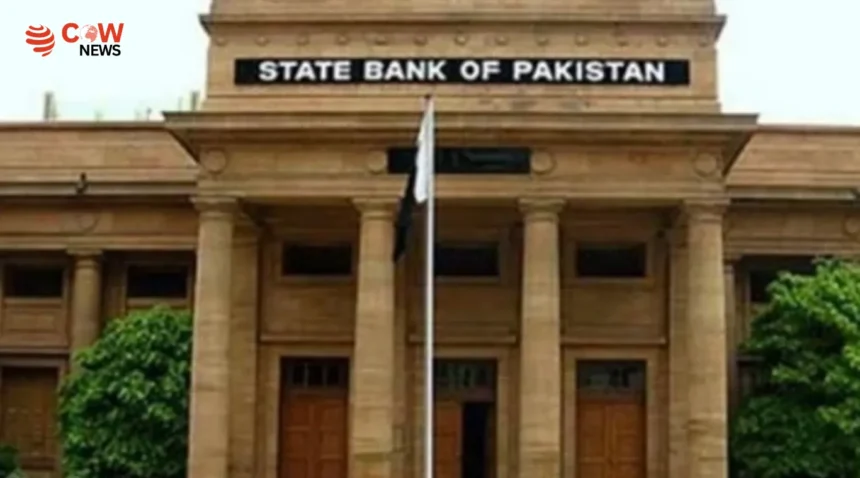
Karachi (The COW News Digital)The State Bank of Pakistan (SBP) has raised its benchmark interest rate from 11.5 percent to 12 percent, increasing borrowing costs by 50 basis points amid renewed inflationary pressures and uncertainty surrounding global energy prices.
The decision was announced following a meeting of the central bank’s Monetary Policy Committee (MPC) on October 26, 2026. The revised rate will remain in effect for the next six weeks, according to the announcement.
The central bank had maintained the policy rate at 11.5 percent during previous reviews. However, changing economic conditions, including the impact of the Iran-US conflict on energy markets, prompted policymakers to reassess the monetary outlook.
Speaking at a press conference, the SBP governor said higher global oil prices had increased inflationary pressures. With crude oil prices hovering around $100 per barrel, the economic outlook had changed considerably since the previous monetary policy meeting.
According to the governor, nine of the MPC’s 10 members voted in favour of increasing the interest rate.
The governor explained that earlier economic projections had suggested inflation could remain around seven percent by the end of the year. However, recent developments could delay progress towards that target. Although core inflation had shown improvement, the central bank expected secondary effects from higher energy and commodity prices to influence inflation in the coming months.
The governor also warned that rising international commodity and oil prices were putting pressure on Pakistan’s external account. The current account deficit is now expected to range between zero and one percent of gross domestic product (GDP), with global market conditions potentially affecting the final outcome.
On the external sector, the SBP expects remittances to improve further. Pakistan received $10.9 billion in remittances during the first quarter, while annual inflows are projected to increase from $44 billion to approximately $45 billion. The governor said an incentive scheme for remittances could help support this growth.
Exports have also shown signs of improvement, although the pace remains below expectations. The central bank projects exports of between $32.5 billion and $33 billion during the current fiscal year. Meanwhile, the import bill is expected to exceed $71 billion, reflecting continued pressure from external demand and international prices.
Discussing economic growth, the governor said Pakistan recorded growth of 4.2 percent across the first three quarters of the previous fiscal year. Growth slowed to 3.7 percent in the fourth quarter, partly amid developments in the Middle East.
For the current fiscal year, economic growth is projected to range between 3.5 and 4.5 percent. The governor noted that agricultural performance had improved, with higher production of sugarcane, rice and maize during the first quarter. Cotton production, however, recorded a decline.
The governor expressed expectations that agriculture would perform better during the current year, potentially supporting overall economic activity.
The interest rate increase highlights the central bank’s efforts to manage inflation and protect economic stability amid external uncertainties. Higher rates can help contain price pressures but may also increase borrowing costs for businesses and households, potentially affecting investment, consumption and economic growth.
The impact of the latest decision will depend on future inflation trends, international oil prices, external account developments and the effectiveness of monetary policy measures.