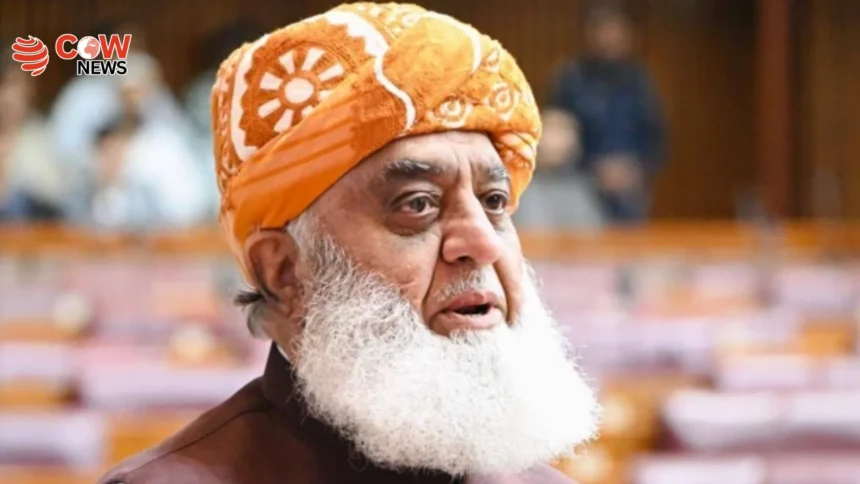
Jamiat Ulema-e-Islam-Fazl (JUI-F) chief Maulana Fazlur Rehman has announced a countrywide protest movement against rising inflation, declaring that “decisions will now be made in the streets rather than in parliament.” The announcement came during a “Wahdat-e-Ummat Conference” held in Karachi, where he addressed party workers and supporters.
The JUI-F leader said that nationwide demonstrations will be held on May 22 across Pakistan, followed by a major public gathering in Pishin on June 4. He stated that the party had previously postponed protests due to regional diplomatic developments, but now the movement would proceed as planned.
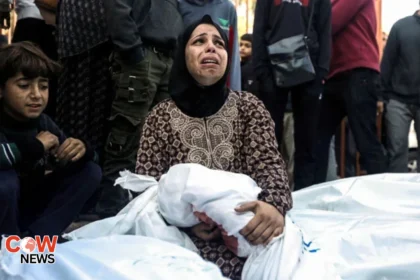
Speaking at the event, Fazlur Rehman criticized global powers, accusing them of military aggression in countries such as Afghanistan, Iraq, and Libya. He also referred to the ongoing situation in Gaza and broader issues faced by the Muslim world, arguing that Muslim nations had failed to respond collectively to international crises.
He called on Muslim countries to unite and form a collective defense mechanism, warning that divisions within the Muslim world were weakening their global position. According to him, geopolitical tensions in the Middle East could have wider implications for regional stability.
Domestically, the JUI-F chief said Pakistan was facing serious challenges related to governance, economic hardship, and political instability. He claimed that the country lacked national unity and urged political actors to adopt a more respectful and constructive political culture.
Fazlur Rehman also reiterated his party’s commitment to constitutional politics, stating that JUI-F remained a supporter of democratic processes and elections. However, he alleged that electoral manipulation had often sidelined his party despite its public support.
In his speech, he also criticized state policies on privatization, education reforms, and inflation, arguing that rising prices had made life increasingly difficult for ordinary citizens. He demanded immediate relief measures and better economic planning from the government.
Read more
- Pakistan, Taliban, and Afghanistan: The Complex Triangle of Influence
- Trump Hopes Iran Talks Succeed, Warns Against Midnight Hammer
The JUI-F leader further commented on foreign policy and regional trade issues, urging authorities to improve relations with neighboring countries and ensure economic stability. He also raised concerns about energy imports and inflation comparisons with other regional states.
The announcement of protests adds to ongoing political tensions in the country, as opposition parties continue to pressure the government over economic conditions and governance challenges. Authorities have not yet issued an official response to the latest call for nationwide demonstrations.