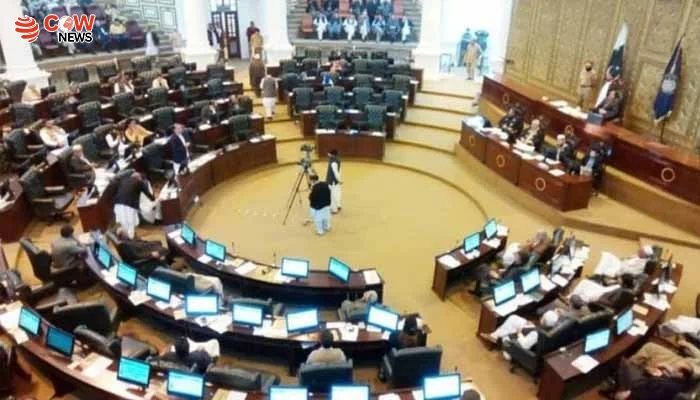
National ( The cow news digital ) The Khyber Pakhtunkhwa Assembly has passed an amendment to its Privileges Act, introducing stricter penalties for violations related to the reporting of assembly proceedings and actions deemed to undermine the dignity of the provincial legislature.
Under the newly approved legislation, publishing or broadcasting assembly proceedings, committee reports, questions, resolutions, motions, or adjournment motions before they are formally presented in the house or officially released has been declared an offence.
The amended law authorizes courts to impose imprisonment, fines, or both, depending on the nature and severity of the violation. Provincial lawmakers said the changes are intended to safeguard parliamentary privilege and ensure the integrity of legislative proceedings.
According to the provisions of the amendment, anyone found publishing a distorted or misleading report of assembly proceedings or a speech delivered by a member of the provincial assembly may face up to three months in prison, a fine of up to Rs300,000, or both.
The legislation also prescribes stricter penalties for the unauthorized publication of restricted assembly proceedings or committee reports. Individuals convicted of such violations may face up to six months’ imprisonment, a fine of up to Rs1 million, or both.
In addition, the law introduces penalties for publishing statements considered defamatory or insulting toward the assembly or damaging to its institutional dignity. Such offences may result in up to six months in prison, a fine of Rs500,000, or both.
The amendment further provides legal protection for assembly officials while performing their official duties. Any person found guilty of assaulting an assembly officer or obstructing them in carrying out their responsibilities may face imprisonment of up to one month, a fine of Rs100,000, or both.
The legislation marks one of the most significant updates to the province’s parliamentary privilege framework in recent years. Supporters argue that the law is necessary to protect legislative institutions from misinformation, unauthorized disclosures, and actions that could compromise parliamentary procedures.
Read more
- Pakistan, Taliban, and Afghanistan: The Complex Triangle of Influence
- China Urges Global Support for Sustainable Sudan Solution
However, legal experts and media rights advocates are expected to closely examine the practical implications of the law, particularly its impact on press freedom and public access to information regarding legislative affairs. The implementation of the amended provisions is likely to generate debate over the balance between protecting parliamentary privilege and safeguarding freedom of expression.
With the passage of the amendment, the new legal provisions will come into effect in accordance with the province’s legislative process after completing the required formalities.