
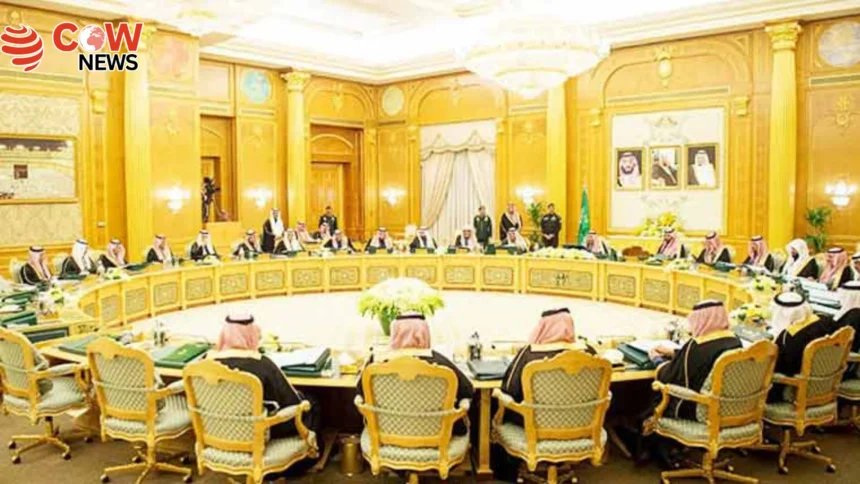
Riyadh(The COW News Digital)The Saudi Cabinet, chaired by Crown Prince and Prime Minister Mohammed bin Salman, has approved the abolition of iqama (residency permit) fees for foreign workers employed in the industrial sector. The decision marks a significant policy shift aimed at strengthening the Kingdom’s industrial base and enhancing its global competitiveness.
According to Saudi media reports, the move was approved following recommendations from the Council of Economic and Development Affairs. Officials described the decision as part of the Kingdom’s continued support for the industrial sector and a reflection of the leadership’s long-term economic vision. By easing financial burdens on industrial employers and workers, the government aims to create a more attractive and sustainable environment for industrial growth.
Read More:
- Trump Threatens Kabul Over Bagram Airbase Control
- Asia Cup 2025 Super Four Tickets at Shocking Prices
- Taliban Extend Internet Curbs, Trade Faces Major Hit
The removal of iqama fees for foreign industrial workers is also seen as a direct outcome of Crown Prince Mohammed bin Salman’s broader strategy to reinforce national industry. The policy aligns with efforts to boost productivity, encourage investment, and ensure that Saudi Arabia remains competitive in global manufacturing and industrial markets.
Industry experts say the decision will help lower operational costs for factories and industrial enterprises, particularly those that rely heavily on skilled foreign labor. Reduced employment costs are expected to support expansion plans, improve efficiency, and attract new domestic and international investors to the Kingdom’s industrial zones.
The initiative is widely viewed as a strategic step toward achieving the objectives of Vision 2030, Saudi Arabia’s ambitious economic transformation plan. Vision 2030 places strong emphasis on diversifying sources of national income and reducing dependence on oil revenues. The industrial sector is regarded as a key pillar in this transition, playing a central role in building a resilient, diversified, and non-oil-based economy.
Officials note that strengthening the industrial sector will not only contribute to economic diversification but also support job creation, technology transfer, and sustainable development. By fostering a more competitive industrial ecosystem, Saudi Arabia aims to position itself as a regional and global hub for manufacturing and advanced industries.
The cabinet decision has been welcomed by business leaders, who believe it will enhance confidence in the Saudi market and signal continued government commitment to private sector growth. While the policy specifically targets industrial workers, analysts suggest it could pave the way for further labor and regulatory reforms in other strategic sectors.
As Saudi Arabia accelerates its economic reforms, measures such as the removal of iqama fees underscore the Kingdom’s focus on long-term growth, competitiveness, and sustainable development in line with its national vision.