World ( The cow news digital ) Chinese researchers have announced a major scientific breakthrough after successfully developing a laboratory-grown structure that mimics the heart’s natural pacemaker, potentially paving the way for future treatments of serious cardiac disorders.
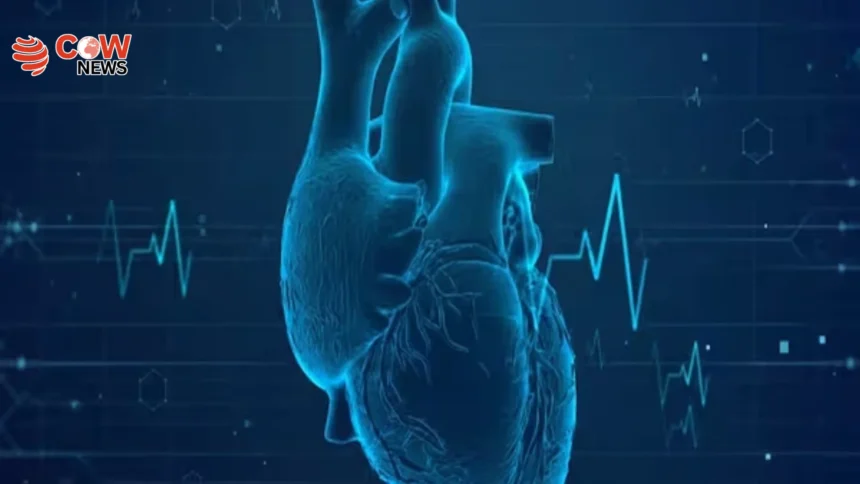
Scientists in China have created what is being described as the world’s first lab-grown “sinoatrial node,” a tiny but crucial part of the heart responsible for regulating its rhythm. This structure acts as the body’s natural pacemaker, ensuring that the heart beats in a steady and coordinated manner.
The sinoatrial node is located in the right atrium of the heart and generates electrical signals that control heartbeat timing. These signals work under the influence of the nervous system and coordinate the contraction and relaxation of the heart’s upper and lower chambers, allowing blood to circulate efficiently throughout the body.
When this natural pacemaker malfunctions, it can lead to dangerously slow heart rhythms or even complete cardiac arrest, posing life-threatening risks to patients.
In the latest study, researchers used human pluripotent stem cells to develop a three-dimensional laboratory model that replicates the function of the sinoatrial node. Remarkably, the engineered tissue was capable of producing spontaneous rhythmic activity, closely resembling the behavior of a natural heartbeat.
The development is being hailed as a significant advancement in cardiovascular science. Experts believe it could transform how heart diseases are studied and how new drugs are tested, providing a more accurate biological model for research.
In addition to its research applications, scientists suggest that this innovation could eventually lead to the development of a “biological pacemaker,” offering an alternative to electronic pacemaker devices currently used to treat patients with irregular heart rhythms.
Such a biological solution could reduce dependence on mechanical implants and potentially offer more natural integration with the human body, although further research and clinical trials will be required before any medical application becomes available.
Read more
- Pakistan, Taliban, and Afghanistan: The Complex Triangle of Influence
- Trump Hopes Iran Talks Succeed, Warns Against Midnight Hammer
Researchers emphasize that while the breakthrough is promising, it is still in the experimental stage. Significant work remains to ensure safety, stability, and long-term effectiveness before it can be considered for human use.
Nonetheless, the achievement marks an important step forward in regenerative medicine and cardiovascular research, opening new possibilities for the treatment of heart rhythm disorders in the future.