
World ( the cow news digital ) Brussels — The European Union has decided against deploying naval vessels to the Persian Gulf amid escalating regional tensions, signaling a cautious approach focused on diplomacy rather than military involvement.
The decision was finalized following a meeting of EU foreign ministers, where member states collectively agreed not to participate in any naval operations in the strategically vital Strait of Hormuz. The waterway, a critical corridor for global energy supplies, has remained at the center of rising geopolitical friction.
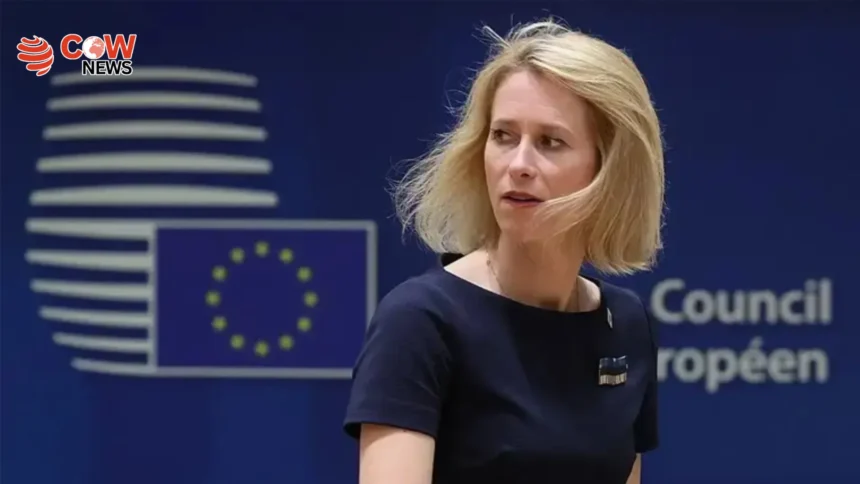
EU foreign policy chief Kaja Kallas stated that member countries are currently not in favor of extending any European naval mission into the Strait of Hormuz. Despite ongoing tensions in the region, she emphasized that most European nations prefer to avoid direct military engagement.
Instead, the European bloc has reiterated its commitment to diplomatic efforts as the most effective way to de-escalate the situation. EU leaders stressed the importance of maintaining stability in global supply chains, particularly for food, fertilizers, and energy resources that rely heavily on safe maritime passage through the region.
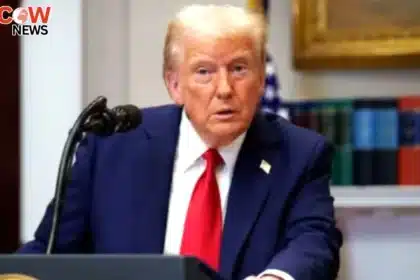
European officials have also called on Donald Trump to provide clarity regarding the United States’ strategy toward Iran, reflecting concerns among EU states about the potential consequences of further escalation.
read more
In parallel, key European leaders have echoed similar sentiments. Olaf Scholz indicated that NATO should not be drawn into the conflict, underscoring Germany’s reluctance to support military involvement. Meanwhile, Emmanuel Macron has already ruled out sending French naval forces to the المنطقة.
The United Kingdom has also taken a similar stance, with Prime Minister Rishi Sunak previously announcing that Britain would not directly participate in the conflict.
The EU’s unified موقف highlights a broader reluctance among Western allies to engage militarily in a region already fraught with instability. Analysts suggest that this approach reflects both economic considerations and the desire to avoid further escalation that could disrupt global markets.
While tensions remain high, the EU’s emphasis on diplomacy indicates a strategic preference for الحوار over confrontation, even as the situation continues to evolve.