
Washington(The COW News Digital)The official results of Honduras’ highly disputed general elections held on November 30 have been announced, bringing an end to weeks of political uncertainty and public debate. The announcement was made by electoral authorities amid criticism from opposition groups and concerns raised by international observers.
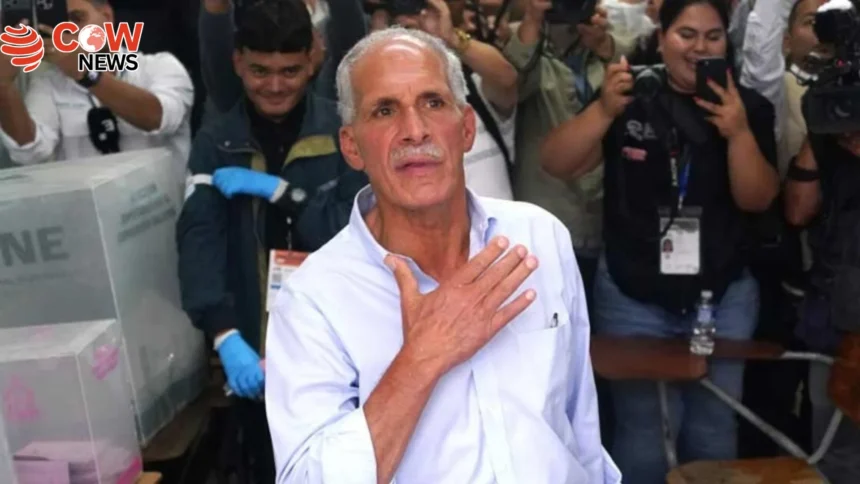
According to official figures released by the election commission, National Party candidate Nasry Asfura has been declared the winner after securing 40.3 percent of the total votes cast. Asfura, who is reported to have received backing from former US President Donald Trump, narrowly defeated Liberal Party candidate Salvador Nasralla in a tightly contested race.
Nasralla secured 39.5 percent of the vote, making the margin between the two leading candidates less than one percentage point. The close result has fueled controversy, with opposition leaders questioning the transparency of the electoral process and alleging irregularities in vote counting.
Speaking to supporters after the results were announced, Nasry Asfura welcomed the decision and pledged to lead the country responsibly. In a public message, he said he was ready to govern and assured citizens that he would not disappoint them. He also called for national unity, urging political rivals to respect the outcome in the interest of stability.
Read More:
- Taliban Extend Internet Curbs, Trade Faces Major Hit
- Trump Threatens Kabul Over Bagram Airbase Control
The November 30 elections have been described by local media as among the most contentious in Honduras’ history. Reports of delays, technical issues, and disputes over ballot counting sparked protests in several parts of the country. Opposition parties demanded a thorough review of the process, while civil society organizations called for calm and dialogue.
International reaction has been mixed, with some observers recognizing the results while others have urged Honduran authorities to address concerns regarding electoral transparency. Analysts say the narrow margin of victory and polarized political climate could pose challenges for the incoming administration.
Honduras has faced years of political instability, economic hardship, and rising public dissatisfaction. The new government is expected to confront pressing issues including corruption, unemployment, security, and relations with international partners.
As the country moves forward, attention is now focused on whether the political leadership can bridge divisions and restore public trust in democratic institutions. The coming weeks are likely to be critical in determining how Honduras navigates the aftermath of the disputed vote and whether calls for electoral reform gain momentum.