
Tensions between Iran and the United States have escalated sharply as Tehran’s Islamic Revolutionary Guard Corps (IRGC) claims it has killed 160 American military personnel in coordinated attacks on U.S. bases and installations across the Middle East. Iran also reported significant strikes on American infrastructure in the region as hostilities continue to unfold.
According to a statement by IRGC spokesperson, missile and drone barrages targeted U.S. military facilities and naval headquarters in Bahrain. The attacks mark a dramatic intensification of the conflict between Iran and Washington, which has seen reciprocal strikes and counterstrikes in recent days.
Iranian state media reported that 787 people have been killed in the latest round of hostilities, citing figures from the Iranian Red Crescent Society. The report included hundreds of wounded civilians. An independent, U.S.‑based human rights organization estimated that at least 742 civilians have died inside Iran, including 176 children, during the ongoing bombardments.
Meanwhile, the situation in Bahrain remains volatile. The IRGC claimed its drones and ballistic missiles struck the U.S. Navy’s regional headquarters and other strategic military sites. There has been no immediate verification from U.S. Central Command or allied sources regarding casualties or damage.
The tension comes as reports emerged that the Assembly of Experts in Tehran is meeting to select a successor to the late Supreme Leader Ayatollah Ali Khamenei. Israeli media outlets claim that Khamenei’s son, Mojtaba Khamenei, is being considered for the role, though Iranian government officials have not confirmed any leadership appointments. State media described the succession process as ongoing and expected to take up to a week.
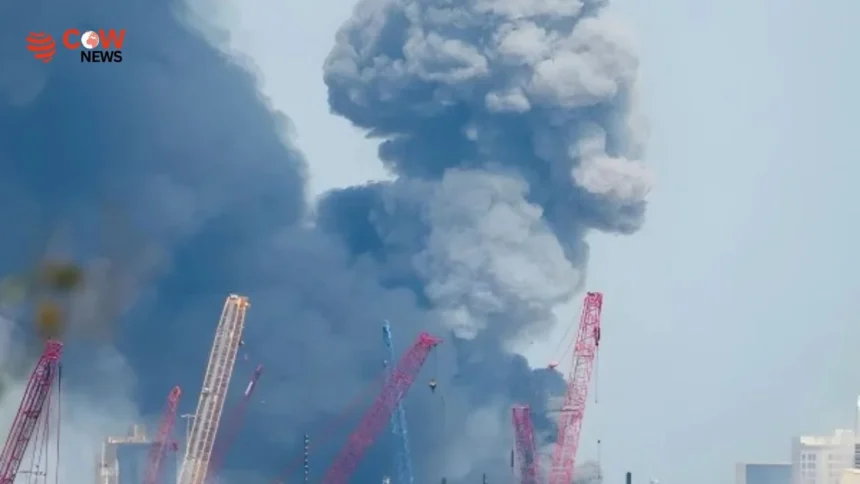
The conflict has also spread beyond theaters of conventional warfare. In Dubai, a drone strike near the U.S. Consulate sparked fires and thick plumes of smoke, according to local eyewitnesses and regional media reports. Similarly, American diplomatic missions in Kuwait and Saudi Arabia have come under drone and missile threats in recent days, prompting heightened security alerts.
In response to the escalating violence, U.S. President Donald Trump declared on his social media platform that it is “too late” for negotiations with Tehran, asserting that Iran’s military capabilities have been decimated. He reiterated Washington’s demand for an immediate cessation of hostilities.
The Saudi U.S. Embassy issued warnings for potential incoming missiles or drones targeting the Eastern Province. Regional oil infrastructure and diplomatic posts remain on high alert as global powers urge de‑escalation.
Iran’s Foreign Ministry has publicly urged the United States and Israel to halt their military operations, stating that Iran did not initiate the conflict and seeks diplomatic resolution. Despite this, frontline exchanges continue, with no sign of an imminent ceasefire.