

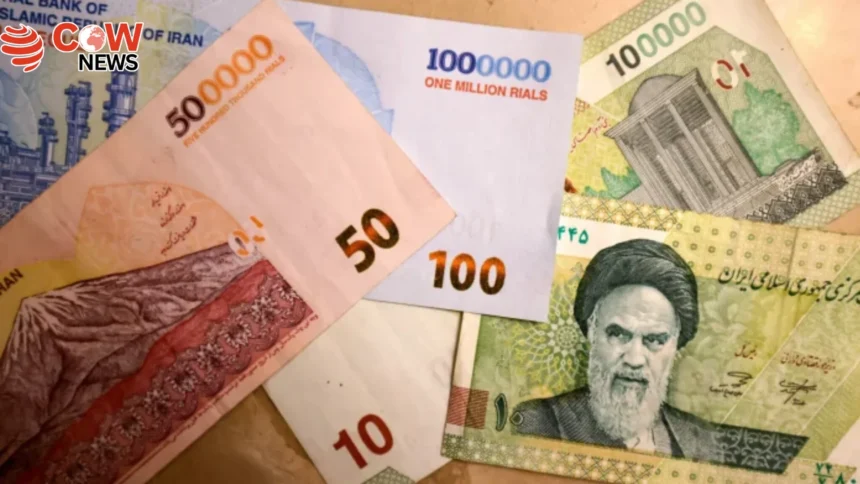
Tehran (The COW News Digital) The Iranian rial has plummeted to an unprecedented low against the U.S. dollar, with one dollar now trading for 1.3 million rials, according to reports from international media outlets. The currency’s rapid depreciation, which has intensified over the past two weeks, reflects the mounting economic challenges facing Iran amid longstanding sanctions and political pressures.
At the time of the 2015 nuclear agreement between Iran and world powers, one U.S. dollar was equivalent to approximately 32,000 rials. However, following the U.S. withdrawal from the agreement in 2018, the Iranian economy has faced severe setbacks. The imposition of unilateral American sanctions has further weakened the national currency, leading to soaring inflation and rising costs of basic goods for ordinary Iranians.
Read More:
- Trump Threatens Kabul Over Bagram Airbase Control
- Taliban Extend Internet Curbs, Trade Faces Major Hit
On December 3, 2025, the exchange rate had already reached 1.2 million rials per U.S. dollar, but within just two weeks, it surged to 1.3 million rials, marking a record decline in the rial’s value. Economists warn that such extreme currency fluctuations could exacerbate financial instability in the country and deepen the economic hardships of the population.
The ongoing devaluation has significantly increased the cost of living for Iranian citizens, affecting everyday expenses, including food, fuel, and healthcare. Small businesses and importers are also struggling as they adjust to the rapidly changing exchange rates, while international trade has become more complicated due to the unpredictable value of the rial.
Iranian officials have acknowledged the severity of the crisis but have yet to present a comprehensive plan to stabilize the currency. Analysts suggest that unless structural economic reforms are implemented and international relations improve, the rial may continue to face downward pressure in the coming months.
The situation also highlights the broader geopolitical challenges that Iran faces, as sanctions remain a key factor influencing economic performance. Observers note that the impact on the Iranian population is immediate and tangible, with ordinary citizens bearing the brunt of the currency collapse.
As the rial continues to weaken, the government is under increasing pressure to implement policies to protect the domestic economy and provide relief to citizens affected by rising prices and inflation.