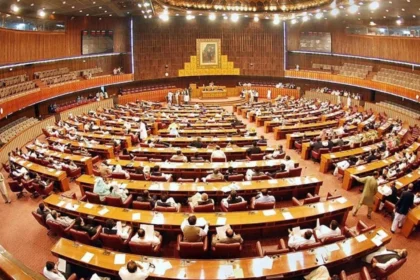


TilAviv(The COW News Digital)Israel’s Security Cabinet has approved the construction of 19 new Jewish settlements in the occupied West Bank, marking a significant expansion of Israeli settlements in the region. According to Arab media reports, this approval brings the total number of officially recognized settlements over the past three years to 69.
Right-wing Israeli Finance Minister Bezalel Smotrich stated that the plan was proposed in coordination with Defense Minister Israel Katz, with the explicit aim of preventing the establishment of a Palestinian state. The move has drawn widespread attention amid ongoing tensions in the region, particularly following the outbreak of hostilities in Gaza in October 2023.
Read More:
- US Slams Palestine Recognition as Empty Symbolism
- Trump Threatens Kabul Over Bagram Airbase Control
- Asia Cup 2025 Super Four Tickets at Shocking Prices
Since the escalation of violence, the West Bank has seen a notable rise in security incidents, raising concerns that the expansion of settlements could further entrench Israeli control and hinder efforts toward a two-state solution. Observers warn that these developments may exacerbate tensions and undermine prospects for meaningful peace negotiations between Israelis and Palestinians.
The international community, including the United Nations, has repeatedly stated that Israeli settlements in the West Bank are illegal under international law. UN Secretary-General Antonio Guterres has condemned the expansion, warning that ongoing settlement policies increase tensions, restrict Palestinian access to land, and threaten the viability of an independent Palestinian state.
Analysts note that settlement expansion remains a highly contentious issue, shaping both regional politics and global diplomatic responses. While Israeli authorities argue that settlements are essential for national security and strategic interests, critics assert that they violate international agreements and obstruct long-standing peace efforts.
The approval of 19 new settlements is likely to draw strong international criticism and could impact Israel’s relations with key allies. Human rights groups and Palestinian leaders have denounced the plan, emphasizing the negative consequences for local communities and the broader peace process.
As tensions continue to escalate, the expansion of settlements underscores the ongoing challenges in achieving a sustainable resolution to the Israeli-Palestinian conflict. Diplomats and international observers are closely monitoring developments, urging restraint and renewed efforts to revive dialogue and negotiations.
The move also highlights the deep divisions within Israel’s political landscape, where right-wing factions continue to push settlement policies despite widespread global opposition. The implications of these actions are likely to resonate far beyond the region, affecting international diplomacy and the prospects for peace in the Middle East.