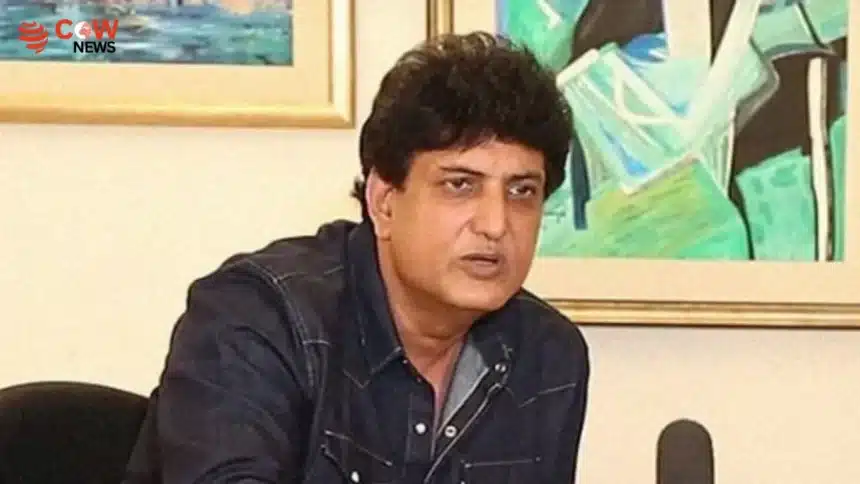
World ( The cow news digital ) Prominent Pakistani playwright and television writer Khalil ur Rehman Qamar has come under intense public scrutiny following controversial remarks made during a television talk show discussing violence against women, particularly acid attacks.
The backlash began after his comments on the sensitive issue of acid attacks on women sparked widespread outrage on social media platforms. Viewers and activists criticized the remarks as inappropriate, insensitive, and dismissive of the seriousness of a crime that has caused lifelong trauma to numerous victims.
The debate gained further momentum in the context of a recent acid attack incident in Pakistan, where a female doctor in Quetta was reportedly targeted. The case reignited national attention on the persistent issue of acid violence and the urgent need for stronger legal and social protections for survivors.
During the televised discussion on women’s rights and violence against women, Qamar reportedly remarked that it seemed as though men were “carrying bottles of acid in their pockets.” The statement was immediately met with criticism from viewers and panelists, who described it as an inappropriate generalization that undermines the gravity of acid-related crimes.
Social media platforms quickly became flooded with reactions, with users expressing anger and disappointment over the remarks. Many argued that such statements risk minimizing the suffering of victims and could hinder ongoing efforts to raise awareness about gender-based violence.
Women’s rights advocates and civil society members also weighed in, stating that public figures carry a responsibility to address sensitive issues with care and factual grounding. They emphasized that acid attacks are not isolated or symbolic issues, but serious criminal acts that require strict enforcement of laws and continued public awareness.
Supporters of the criticism further added that framing such crimes in a generalized or metaphorical manner may distort public understanding and divert attention from systemic challenges faced by victims, including access to justice and medical rehabilitation.
Read more
- China Urges Global Support for Sustainable Sudan Solution
- US Envoy Backs Israel’s Claim to Wider Middle East
The controversy has once again sparked a broader debate in Pakistan regarding the role of media personalities in shaping public discourse on sensitive social issues. While some defended the right to free expression, others stressed the need for accountability when discussing topics involving violence and human rights.
As the discussion continues online and in mainstream media, the incident highlights the ongoing tension between free speech and responsible commentary in public forums.