Washington(The COW News Digital)The United States and Iran have traded fresh accusations and military strikes following escalating tensions near the strategic Strait of Hormuz, a vital global energy corridor.
According to the United States Central Command (CENTCOM), American aircraft targeted radar installations in Goruk and on Qeshm Island inside Iranian territory. The strikes were described as a defensive response to what Washington claims were four Iranian drones launched toward U.S. positions.
CENTCOM stated that all four drones were intercepted and destroyed before reaching their targets. The command further claimed that multiple ballistic missiles and drones allegedly fired toward the Strait of Hormuz and Gulf states were successfully neutralized. U.S. officials said no American personnel were injured in the incidents.
Iranian state media, however, offered a sharply different account. An Iranian news agency reported that warning shots were fired near U.S. naval vessels operating close to the Strait of Hormuz, describing the action as a defensive measure against foreign military presence.
The Islamic Revolutionary Guard Corps (IRGC) said it had retaliated against what it called American aggression by targeting U.S. bases in the region. The IRGC also claimed that its forces opened fire on four oil tankers attempting to pass through the strait without authorization.
In a strongly worded statement, the Revolutionary Guards warned that continued U.S. military actions would prompt Iran to fully close the Strait of Hormuz. The group asserted that any such closure would be the direct responsibility of the United States.
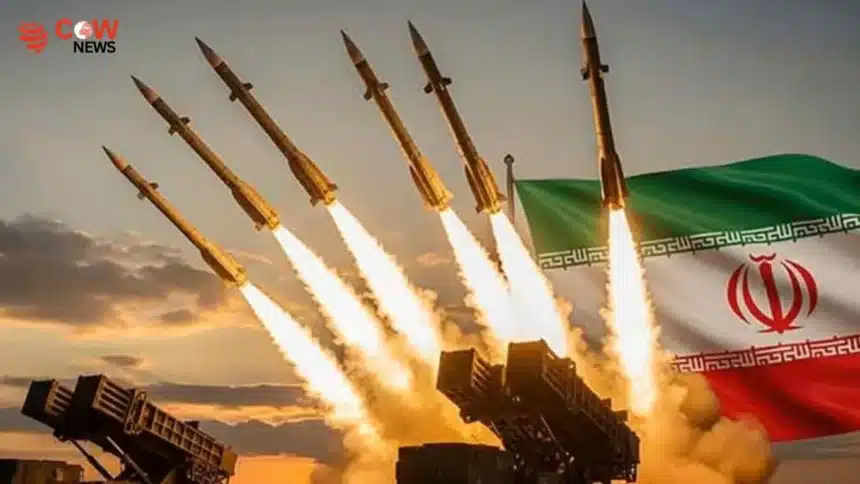
The U.S. military, in a separate update, reported that Iran had launched seven missiles during the latest exchange. According to American officials, six were intercepted, while the seventh failed to reach its intended target.
Read more
The Strait of Hormuz remains one of the world’s most critical maritime chokepoints, with a significant portion of global oil shipments passing through its narrow waters. Any sustained disruption could have immediate consequences for international energy markets.
As both sides exchange claims and counterclaims, regional observers warn that miscalculations could further destabilize an already volatile security environment in the Gulf.