World ( The cow news digital ) Iran has intensified its diplomatic outreach aimed at securing the future stability of the Strait of Hormuz, while emerging reports suggest that Tehran and Washington have agreed in principle to establish a direct military communication channel to prevent potential escalation in the region.
According to international media reports, Iran is currently engaged in discussions with Oman regarding administrative and maritime arrangements for the strategic waterway. The talks focus on improving coordination of navigation services and ensuring the safe passage of commercial shipping through one of the world’s most critical energy corridors.
Iranian Foreign Minister Abbas Araghchi confirmed in a post on social media platform X that he held what he described as “constructive and useful” telephone discussions with his Omani counterpart. He said the talks included the future management of the Strait of Hormuz, maritime services, and broader regional cooperation. Araghchi emphasized that Iran seeks to pursue any future arrangements through consultation with neighboring countries, underlining the importance of regional consensus in managing shared waterways.
He further stated that Tehran remains committed to working collectively with neighboring states on decisions regarding the strategic strait, highlighting diplomacy as the preferred approach to maintaining regional stability.
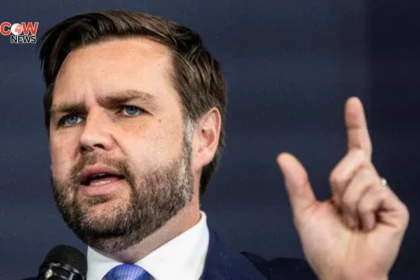
In a parallel development, US Vice President J.D. Vance revealed that Iran has agreed to establish a direct communication channel between the Islamic Revolutionary Guard Corps (IRGC) and the United States military. The initiative is aimed at reducing tensions and preventing potential military miscalculations between the two sides.
In an interview with a British publication, Vance said the arrangement would involve military representatives from Iran’s IRGC and the US Central Command meeting in Doha, Qatar. He added that Iranian officials have agreed to send their representatives to participate in structured dialogue with American military counterparts.
The proposed mechanism is intended to allow real-time communication in the event of emerging security concerns, thereby reducing the risk of escalation in the sensitive Gulf region. According to Vance, the framework also reflects broader efforts to create confidence-building measures between the two sides.
Read more
- Pakistan, Taliban, and Afghanistan: The Complex Triangle of Influence
- US Slams Palestine Recognition as Empty Symbolism
He further disclosed that the United Arab Emirates has also begun engaging in diplomatic interactions with Iran at levels not previously observed, suggesting a gradual expansion of regional dialogue.
Analysts view these developments as part of a broader shift toward indirect and direct communication channels aimed at stabilizing tensions in the Gulf, particularly around the Strait of Hormuz, which remains vital for global oil and maritime trade.