
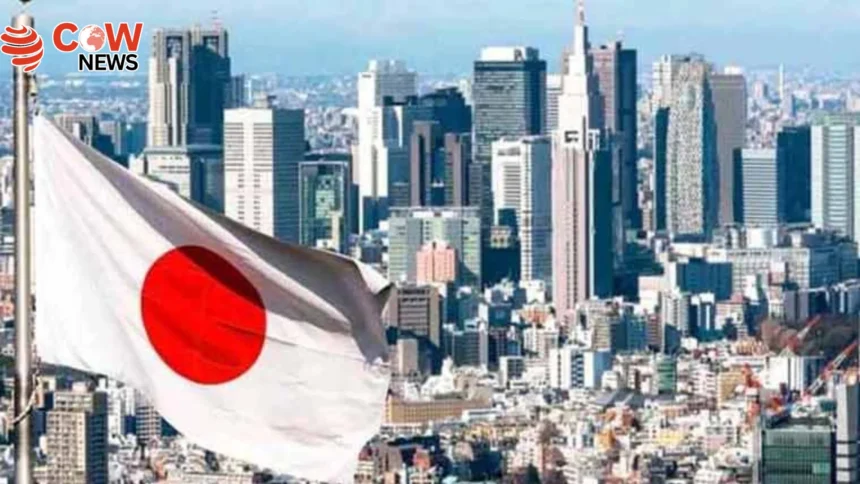
Japan (The COW News Digital)Japan has turned down a European Union proposal calling on Tokyo to seize frozen Russian assets, stating that it has no legal grounds to take such action. The decision marks a significant moment in ongoing Western efforts to redirect Russian state funds toward supporting Ukraine.
According to international media reports, officials from the European External Action Service confirmed that Japanese Finance Minister Satsuki Katayama made it clear that Japan lacks the legal authority required to confiscate Russian state assets currently frozen under sanctions. Japan, one of the key Group of Seven (G7) nations, has imposed sanctions on Russia but maintains that asset seizure requires a legal framework that does not presently exist in its domestic laws.
Read More:
- Taliban Extend Internet Curbs, Trade Faces Major Hit
- US Slams Palestine Recognition as Empty Symbolism
European governments had been pressing Japan to join their efforts in appropriating approximately $30 billion worth of Russian assets held in the country. Officials in Brussels have argued that the West should collectively move toward using frozen Russian reserves to aid Kyiv’s war efforts and reconstruction plans. However, Tokyo dismissed the proposal, saying EU expectations do not align with Japan’s legal parameters.
Earlier reports from October revealed that several European G7 members had been urging both Japan and the United States to move forward with seizing Russian assets held within their jurisdictions. These discussions formed part of a broader Western debate on how aggressively to expand financial pressure on Moscow without violating international legal standards.
Western sanctions imposed after Russia’s invasion of Ukraine have resulted in the freezing of roughly $300 billion in Russian sovereign assets worldwide. More than $210 billion of these funds are held on the Euroclear platform in Belgium, while U.S. authorities estimate that around $5–6 billion of Russian assets fall under American jurisdiction.
Japan’s refusal adds another hurdle for European nations seeking a unified approach to asset seizure. While some European states maintain that Russia must bear financial responsibility for the war, Japan has taken a more cautious stance, fearing potential legal disputes and broader geopolitical consequences.
Russia’s Foreign Ministry has repeatedly warned that any attempt by Western nations to confiscate its state assets would trigger immediate and severe retaliation. Moscow has dismissed the freezing of its funds as unlawful and has vowed to respond with countermeasures if Western governments escalate the move toward seizure.
Japan’s latest decision underscores deep divisions among Western allies over how far they are willing — or legally able — to go in their economic confrontation with Russia, even as the war in Ukraine continues to shape global political alignments.