
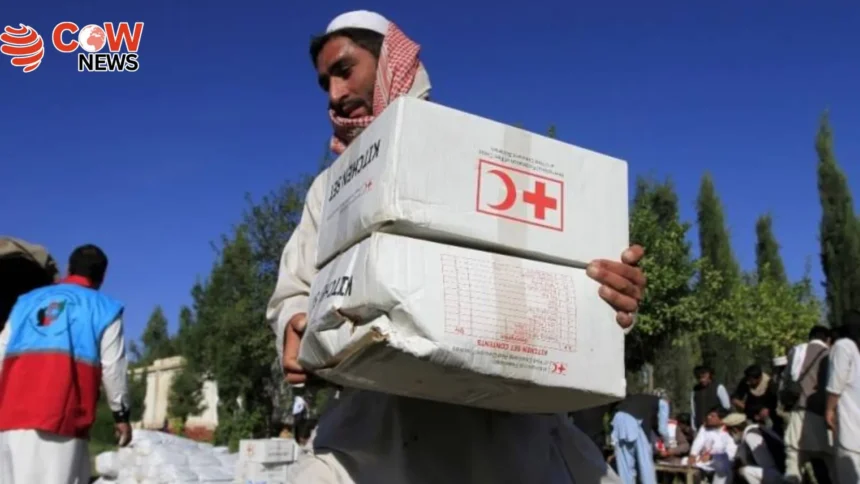
A deepening shortage of medicines in Afghanistan has raised fears of a looming humanitarian crisis, putting the lives of millions of people at risk, reported 24NewsHD TV Channel on Sunday.
According to a report by the Afghan magazine Hasht, the pharmaceutical market in the country underwent significant changes after the closure of the Torkham border crossing and the ban on importing medicines from Pakistan, leaving pharmacies struggling to meet demand.
Read More:
- Taliban Extend Internet Curbs, Trade Faces Major HitAsia Cup 2025 Super Four Tickets at Shocking Prices
Health experts warn that children, pregnant women and patients suffering from chronic illnesses are facing grave danger as essential drugs become scarce or unavailable.
The report said smuggled and illegal medicines have flooded pharmacies and roadside stalls, with no effective system in place to monitor their quality. Health sources said many of these drugs are stored in conditions far below medical standards, raising serious concerns about their safety and effectiveness.
As a result, treatments have become less reliable, public anxiety has increased and trust in the healthcare system has steadily eroded.
In Kabul, residents have openly expressed fears that medicines no longer work as expected, while illnesses now bring not only physical suffering but also heavy financial strain. Families say they cannot depend on pharmacies during emergencies, and over time, their confidence in the system has faded.
A source, speaking on condition of anonymity, said medicine smuggling was not new in Afghanistan but had worsened due to rising demand and the prolonged closure of the Torkham crossing. He said when imports of Pakistani medicines stopped, demand surged and smuggling expanded rapidly.
“Sellers and importers earn more from these drugs because they pay lower taxes, making them cheaper,” the source said. “But because the trade is illegal, there is no quality control, and storage conditions fail to meet medical standards.”
Meanwhile, the Taliban’s deputy minister for public health has travelled to Tehran to hold talks with Iranian officials on medicine imports, while the health minister has also visited India in search of alternative supply routes.
Long-standing complaints about declining medical quality in Afghanistan have intensified in recent months, particularly after a board member of the Iranian Association of Pharmaceutical Distributors reported a rise in medicine smuggling into Afghanistan and Iraq.
Health experts have warned that without urgent international cooperation and restored legal supply chains, the crisis could deepen further, endangering millions of vulnerable Afghans.