
World ( The cow news digital ) Iran has reportedly rejected the conditions set by the United States for resuming diplomatic talks, according to Iranian state media. The development comes amid rising tensions between Tehran and Washington, with both sides maintaining firm positions over regional security and nuclear-related concerns.
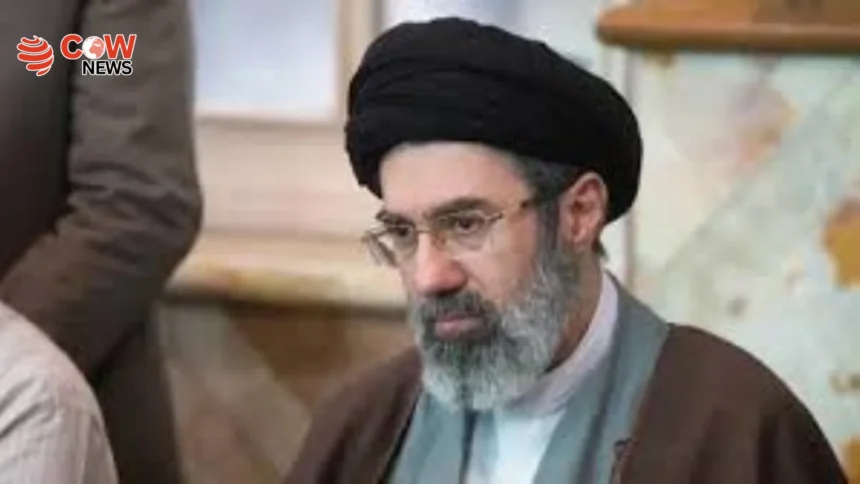
Iranian media outlets cited official sources claiming that the country will not engage in negotiations under what it described as “unequal or imposed conditions.” The statement reflects Tehran’s long-standing stance that any dialogue with the United States must be based on mutual respect and balanced terms rather than unilateral demands.
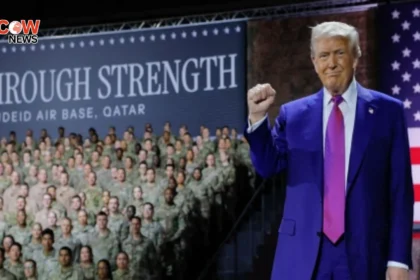
The reports also highlighted comments attributed to the US administration, suggesting that former President Donald Trump had unilaterally extended a ceasefire framework related to broader regional tensions. However, Iranian officials have not formally acknowledged any agreement linked to such an extension and continue to question the legitimacy of US-led initiatives in the region.
Diplomatic relations between Iran and the United States have remained strained for years, particularly following the US withdrawal from the 2015 nuclear agreement, formally known as the Joint Comprehensive Plan of Action (JCPOA). Since then, attempts to revive negotiations have repeatedly stalled due to disagreements over sanctions, nuclear enrichment levels, and security guarantees.
Analysts say the latest exchange underscores the deep mistrust that continues to define relations between the two countries. While Washington has occasionally signaled openness to indirect talks, Tehran has consistently demanded the lifting of economic sanctions as a precondition for any meaningful engagement.
Regional observers warn that continued deadlock could further heighten instability in the Middle East, especially at a time when multiple geopolitical flashpoints are already active. However, diplomatic channels remain open indirectly through intermediaries, including European states, which have previously played a mediating role.
READ MORE
- China Urges Global Support for Sustainable Sudan Solution
- Pakistan, Taliban, and Afghanistan: The Complex Triangle of Influence
So far, neither side has indicated any immediate plans for a new round of direct negotiations. The situation remains fluid, with international stakeholders closely monitoring developments for any sign of de-escalation or renewed diplomatic momentum.
The coming weeks are expected to be critical in determining whether tensions ease or further intensify, as both Iran and the United States continue to assert their respective positions on the future of regional diplomacy.