

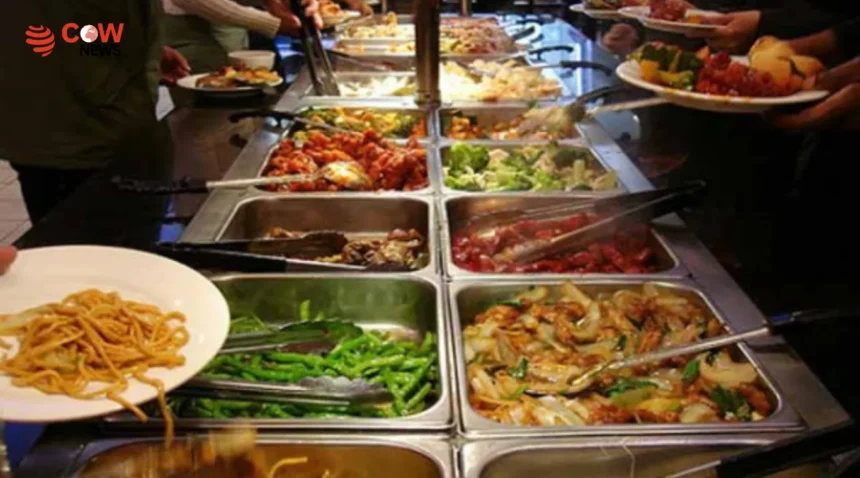
ISLAMABAD(The COW News Digital) Indulging in a wide array of fried dishes, rich delicacies, and traditional sweets during weddings, festivals, and celebratory gatherings is a common practice. However, health experts have warned that overeating on these occasions can pose serious health risks, particularly for individuals with pre-existing heart conditions, high blood pressure, or diabetes.
According to medical experts, consuming large portions of food requires the body to divert a higher volume of blood flow toward the digestive tract to process the meal, which exerts additional stress on the cardiovascular system. While healthy individuals can typically manage this sudden physiological shift, those with narrowed coronary arteries or existing heart disease face a higher risk of impaired blood supply to the heart.
Health professionals emphasize that overeating a single heavy meal does not automatically guarantee a heart attack. A heart attack primarily occurs when blood flow to the heart muscle is severely obstructed, often due to a blood clot or advanced coronary artery disease. Nevertheless, heavy meals act as a major physical stressor that can trigger underlying symptoms in vulnerable individuals.
Consistent consumption of foods rich in high fat, elevated sodium levels, and refined carbohydrates negatively impacts long-term heart health. Excess sodium retention leads to fluid accumulation in the body, driving up blood pressure—a condition particularly hazardous for patients with hypertension or heart failure. Furthermore, excessive alcohol intake during festive periods is strongly linked to irregular heart rhythms (arrhythmias) and sudden blood pressure fluctuations.
Prolonged periods of fasting or starving prior to a massive feast, inadequate hydration, and engaging in vigorous physical activity immediately after a heavy meal can also lead to severe discomfort and cardiovascular strain.
Common gastrointestinal issues like acid reflux, abdominal bloating, nausea, and persistent fullness frequently occur after heavy dining. However, medical experts caution that early symptoms of a heart attack closely resemble basic indigestion. Consequently, unusual pain or pressure in the chest or upper abdomen should never be casually dismissed as mere gas.
Crucial warning signs of a heart attack include chest pressure, tightness, or pain that radiates toward the left arm, back, or jaw. Other potential indications encompass shortness of breath, sudden cold sweats, dizziness, unexpected weakness, nausea, or intense discomfort in the upper stomach region.
If any of these alarming symptoms appear, immediate emergency medical intervention is vital. Patients should not waste precious time waiting for antacids or gas medication to take effect, nor should they attempt to walk off the discomfort. Instead of driving themselves to a medical center, individuals ought to contact local emergency medical services right away.
To enjoy celebrations safely, specialists suggest exercising moderation rather than complete dietary restriction. Practicing portion control, eating slowly, maintaining regular meal schedules, and minimizing salt and fat intake can significantly reduce unnecessary cardiovascular strain.
Light, leisure walks after a balanced meal are encouraged if feeling well, but rigorous physical exertion should be strictly avoided immediately following dinner. Heart patients are strongly advised to adhere strictly to their prescribed medications and follow all dietary guidelines provided by their physicians.