
Tehran (The COW News Digital) Iran has issued a strong warning to the United States, declaring that American warships will not be allowed to enter the Gulf under any circumstances, as tensions between Tehran and Washington continue to rise amid renewed threats of military action.
Ali Abdollahi, head of Iran’s armed forces, directly addressed US President Donald Trump, warning that Washington should abandon any expectations of establishing a military presence in the Gulf. According to Iranian state television, Abdollahi delivered the remarks on Saturday, October 24, reinforcing Tehran’s opposition to an increased American military footprint in the strategically important region.
In his statement, Abdollahi said Iran would not permit US military vessels to enter the Gulf at any time or under any circumstances. He used particularly forceful language while addressing Trump, declaring that the American president should stop dreaming about deploying US armed forces in the region.
The Iranian military chief’s comments reflect Tehran’s increasingly confrontational position on regional security and the presence of foreign military forces near its territory. The Gulf remains strategically significant because of its energy resources, international shipping routes and proximity to several major regional powers.
The latest warning comes at a time of heightened tensions involving Iran, the United States and Israel. Threats of renewed strikes against Iran have intensified concerns about the possibility of further military escalation and its potential consequences for the wider Middle East.
Tom Barrack, the US ambassador to Turkey, has also reportedly warned that Washington could launch an attack against Iran by the end of the week. His reported remarks have added to uncertainty surrounding the possibility of military action, although the available report does not confirm that a final decision to launch an attack has been made.
The exchange of warnings underscores the growing importance of the Gulf in the broader confrontation between Tehran and Washington. Iran has repeatedly opposed an expanded US military presence in the region, while American forces have maintained a significant regional security role.
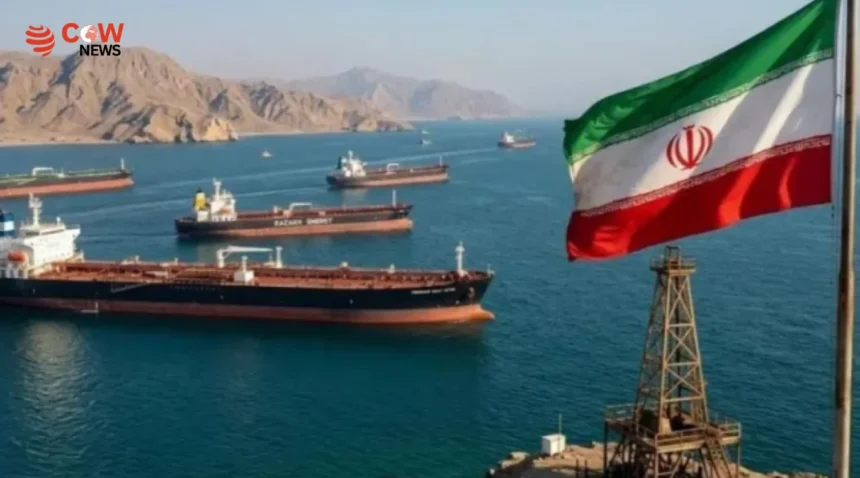
Any further escalation could raise concerns about maritime security, commercial shipping and the stability of global energy markets. The Gulf and the nearby Strait of Hormuz are particularly important to international oil transportation, making developments in the area closely watched by governments and energy markets worldwide.
However, Abdollahi’s statement does not, by itself, establish whether Iran intends to take immediate military action against American vessels. Similarly, the reported warning from the US ambassador does not confirm that an attack has been formally authorised or scheduled.
Neither side’s next move is clear from the information available in the report. The situation remains sensitive as officials exchange increasingly forceful statements over military deployments and regional security.
Iran’s latest declaration signals that Tehran intends to maintain a firm position against a US military presence in the Gulf. With tensions continuing to rise, diplomatic developments and further statements from Washington and Tehran are likely to remain central to the unfolding situation.
The international community will be watching closely for signs of de-escalation or further confrontation, particularly gi