



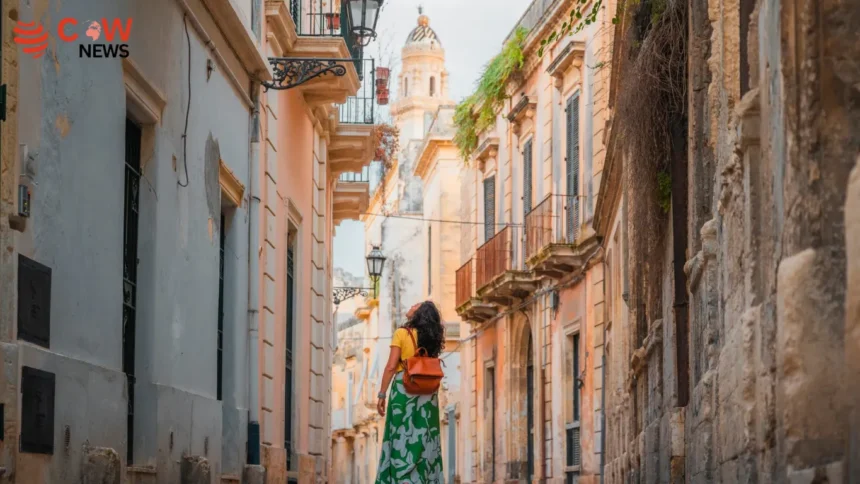
Lecce, Italy (The COW News Digital) the elegant Florence of the a. Explore its Baroque architecture, historic palaces, luxury villas, beautiful beaches, local cuisine and charming autumn atmosphere.
Italy has no shortage of beautiful destinations, from the romantic canals of Venice to the historic streets of Rome and the picturesque coastline of Amalfi. Yet, in the country’s southern region, there is a city that offers a different kind of Italian charm. Lecce, often referred to as the “Florence of the South”, is a destination where magnificent architecture, centuries-old traditions, sophisticated living and a relaxed Mediterranean atmosphere come together.
Located in the heart of Puglia, at the southern end of Italy’s heel, Lecce has long attracted wealthy Italian families, artists and travellers who appreciate its understated elegance. Despite its extraordinary architectural beauty, the city remains less crowded than many of Italy’s more famous tourist destinations.
Autumn is arguably one of the most appealing seasons to discover Lecce. The summer crowds begin to disappear, the streets become quieter and the warm golden light gives the historic buildings an especially attractive appearance. Visitors can explore the city at a leisurely pace, enjoy local food and experience the traditions that continue to shape everyday life in southern Italy.
For travellers seeking an authentic Italian experience away from the busiest tourist centres, Lecce offers a memorable combination of culture, history and refined hospitality.
The first impression of Puglia can be surprisingly different from the image many visitors have of Italy. Arriving at Brindisi Airport, travellers encounter wide-open skies, dry countryside and expansive landscapes stretching across the southern peninsula.
The region’s beauty is not always immediately obvious. Its charm reveals itself gradually through ancient olive groves, historic villages, stone-built farmhouses and coastal towns overlooking the Mediterranean Sea.
Puglia is particularly famous for its olive oil. The Salento area, where Lecce is located, has a long agricultural history closely connected to olive cultivation. Extra virgin olive oil produced here is highly valued for its distinctive character and quality.
Olive trees have been part of the region’s landscape for centuries. Their presence reflects a cultural tradition that reaches back to ancient civilisations, including the Messapians, who inhabited the area before the Roman conquest.
Today, olive oil remains an important part of Puglia’s identity. It is found in local kitchens, traditional restaurants and family gatherings, making it much more than an agricultural product.

For visitors, tasting the region’s olive oil is one of the simplest and most rewarding ways to understand the local culture.
One of the main reasons Lecce has earned its nickname as the Florence of the South is its extraordinary architectural heritage.
The city is particularly celebrated for its Baroque buildings, many of which were constructed using Lecce stone. This pale limestone is relatively soft when first extracted, allowing craftsmen to create intricate decorative details, elaborate columns and sculpted figures.
Over time, the stone develops a warm, creamy appearance that gives the city its distinctive character.
Walking through Lecce’s historic centre feels like stepping into an open-air museum. Decorative balconies, ornate church facades, elegant palaces and narrow streets reveal the artistic ambition of generations of architects and craftsmen.
The city’s skyline is also remarkable. From the top of the approximately 70-metre-high bell tower in Piazza del Duomo, visitors can enjoy sweeping views across the surrounding countryside.
On clear days, the landscape stretches towards both the Ionian and Adriatic coastlines.
Lecce is home to numerous historic churches, with its architectural treasures reflecting the city’s long religious and cultural history. The combination of artistic detail and relatively peaceful surroundings makes it particularly appealing to travellers interested in history and architecture.
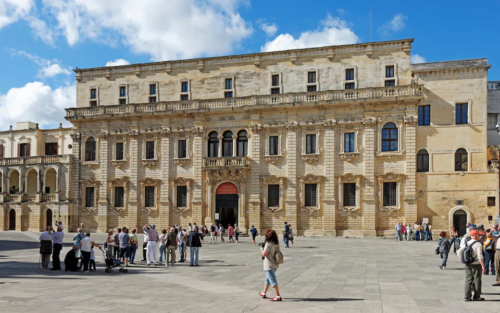
Piazza del Duomo is one of the most beautiful squares in Lecce and an essential stop for anyone exploring the city.
Unlike many Italian piazzas that open directly onto busy streets, this historic square has an enclosed and intimate atmosphere. Its elegant buildings create a sense of grandeur while preserving the tranquillity that makes Lecce so special.
The square is dominated by the Cathedral of Lecce, also known as the Duomo, and its impressive bell tower. The surrounding buildings include the Palazzo del Seminario, an architectural landmark featuring beautiful stonework and decorative details.
The area is particularly attractive during the early morning and evening hours, when the changing light highlights the warm tones of the limestone.
Visitors can explore the square independently or join a guided walking tour to learn more about the city’s history, religious traditions and architectural development.
For those visiting Lecce for the first time, a guided Baroque walking tour is an excellent way to understand the historical significance of the buildings and discover details that might otherwise go unnoticed.
Although Lecce is best known for its Baroque architecture, its history extends much further back.
The city was influenced by ancient civilisations before becoming part of the Roman world. During the Roman period, Lecce developed into an important settlement, and traces of that history remain visible today.
One of the most significant archaeological attractions is the Roman amphitheatre, located in the historic centre.
The ancient structure once accommodated thousands of spectators who gathered to watch public performances and events. Its remains provide an interesting contrast to the elegant churches and palaces that surround it.
The amphitheatre demonstrates how Lecce has evolved over the centuries, preserving elements of its ancient past while embracing the artistic traditions of later periods.
Nearby, Piazza Sant’Oronzo is another important historic location. The square is associated with Saint Oronzo, the city’s patron saint, and remains a popular gathering place for residents and visitors.
Exploring these historic sites offers a deeper appreciation of Lecce’s cultural identity.
Among Lecce’s many architectural treasures, the Basilica of Santa Croce stands out as one of its most extraordinary landmarks.
The church is famous for its elaborate Baroque facade, featuring sculpted figures, decorative columns, intricate patterns and an impressive collection of artistic details.
Construction began in the 16th century, and the basilica became one of the finest examples of Lecce’s distinctive architectural style.
The facade is particularly remarkable because of the craftsmanship involved. The soft local limestone allowed artists to create elaborate decorations that appear almost delicate despite the scale of the building.
Inside, visitors can discover an equally impressive religious and artistic environment.
Santa Croce is a must-visit destination for anyone interested in architecture, sculpture and Italian cultural heritage. Its beauty is one of the strongest reasons why Lecce continues to attract travellers seeking a more refined and culturally rich Italian experience.
Despite its architectural significance, the city often feels quieter than Italy’s most internationally recognised destinations.
Lecce has a long association with Italy’s aristocratic families. For generations, wealthy landowners and noble households maintained elegant residences in the city and summer villas in the surrounding countryside.
This tradition helped shape the region’s distinctive approach to hospitality, architecture and lifestyle.
One of the most interesting ways to experience this heritage is by staying in a historic palace.
Palazzo Guido, a centuries-old residence in Lecce, offers visitors an opportunity to experience the atmosphere of an aristocratic home. The property has been associated with the Guido family for generations and has been transformed into an elegant accommodation option for international travellers.
Its historic interiors, antique furnishings, decorative chandeliers and carefully preserved architectural features create an atmosphere that feels both intimate and luxurious.
The residence also offers distinctive suites and spaces designed to reflect the character of the historic building.
For travellers who appreciate boutique accommodation, historic palaces can provide a more personal experience than conventional hotels.
Staying in one allows visitors to enjoy Lecce’s architectural heritage not only during sightseeing but also as part of their daily travel experience.
One of the most enjoyable aspects of visiting Lecce is experiencing the city’s everyday life.
As the evening approaches, residents often take part in the traditional Italian passeggiata, a leisurely walk through the streets and public squares.
The historic centre becomes lively as people gather outside restaurants, cafés and bars. Visitors can stroll through the illuminated streets, admire the architecture and enjoy the relaxed atmosphere.
Religious traditions also remain an important part of local life. Churches throughout the city continue to host services and community gatherings.
Lecce’s food and drink culture offers another reason to spend time exploring its streets.
Local restaurants serve traditional Puglian dishes prepared using regional ingredients. Fresh seafood, pasta, olive oil and locally produced wine are central to the culinary experience.
The city’s restaurants range from family-run establishments to sophisticated dining venues.
Visitors can also discover Italian craft beer and enjoy an evening in a historic bar surrounded by architectural details and traditional decor.
The combination of local hospitality, traditional food and peaceful evening walks makes Lecce particularly appealing to travellers who want to experience Italy beyond its major tourist attractions.
Lecce is not only a destination for architecture and history. The surrounding Salento region also offers beautiful coastal landscapes and inviting seaside towns.
Santa Maria al Bagno is one such destination.
Located along the Ionian coastline, this small seaside town is known for its attractive bay, clear waters and relaxed atmosphere.
It provides a pleasant contrast to the historic streets of Lecce. Visitors can enjoy a swim, spend time beside the sea or have lunch at a restaurant overlooking the coastline.
One of the appealing aspects of the Salento region is the relatively short distance between its historic towns and coastal destinations.
Travellers can spend the morning exploring Lecce’s Baroque architecture before heading towards the sea for an afternoon of relaxation.
Santa Maria al Bagno is also an excellent place to experience the region’s seafood cuisine.
A traditional lunch might include spaghetti with seafood, accompanied by a crisp local white wine such as Verdeca.
For visitors who enjoy combining cultural exploration with seaside relaxation, the town makes a rewarding addition to a Lecce itinerary.
The aristocratic connection to Lecce extends beyond the city itself.
Valle della Cupa, an area of countryside surrounding Lecce, has historically been associated with elegant villas and summer residences belonging to wealthy local families.
The landscape is characterised by olive groves, gardens, historic properties and peaceful rural surroundings.
For travellers seeking privacy and a more exclusive accommodation experience, the countryside offers an attractive alternative to staying in the centre of Lecce.
Villa Zagara is an example of contemporary luxury within this historic setting.
The property combines modern architectural design with the natural beauty of the surrounding landscape. Its interiors feature contemporary furnishings, while the outdoor spaces are framed by olive and citrus groves.
The villa offers a different interpretation of Puglian hospitality, combining traditional countryside surroundings with modern comfort.
A stay in a property of this kind allows visitors to enjoy the region at a slower pace.
Morning swims, peaceful garden walks and relaxing afternoons beside a private pool can become an important part of the travel experience.
For those interested in luxury travel, Valle della Cupa offers a glimpse into the sophisticated lifestyle that has long been associated with Lecce and its surrounding countryside.
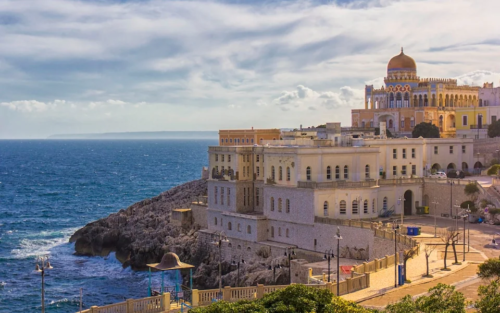
Further south along the Adriatic coastline, Santa Cesarea Terme offers another striking destination.
The town is known for its dramatic coastal setting, rocky cliffs and distinctive architecture.
The landscape is very different from the sandy beaches found in some other parts of Puglia. Here, the coastline is rugged, with small coves, rocky formations and sea caves creating an atmospheric environment.
The Mediterranean Sea provides a constantly changing backdrop, particularly during the quieter months of the year.
Santa Cesarea Terme is an appealing destination for travellers who enjoy scenic drives and coastal exploration.
Nearby Porto Miggiano is known for its picturesque cove and striking natural surroundings.
The area is particularly suitable for those seeking peaceful moments away from crowded seaside resorts.
Visitors can enjoy the views, explore the surrounding coastline and discover small coastal locations that reveal another side of southern Italy.
For accommodation in the Santa Cesarea Terme area, Le Capase offers an appealing combination of architectural character and natural beauty.
The hotel occupies a property that was once used for agricultural purposes before being transformed into an elegant boutique retreat.
Its location above the Adriatic coastline provides impressive views of the surrounding sea and landscape.
The hotel offers a relatively intimate atmosphere, making it suitable for travellers who prefer smaller accommodation properties with a distinctive character.
Rather than focusing on the busy atmosphere of a large resort, the experience centres on peaceful surroundings, scenic views and comfortable hospitality.
The nearby coastline provides opportunities to explore small coves and natural attractions.
For travellers planning a longer stay in Puglia, combining a few nights in Lecce with time in the countryside and along the Adriatic coast can create a well-balanced itinerary.
Although Puglia attracts many visitors during the summer, autumn offers a particularly appealing opportunity to explore Lecce.
The temperatures become more comfortable, the streets are generally less crowded and the region’s golden landscape takes on a different character.
Historic buildings appear especially beautiful in the softer autumn light.
Visitors can explore churches, museums and architectural landmarks without feeling rushed. Restaurants and cafés also provide a more relaxed atmosphere for enjoying local cuisine.
Autumn is an excellent season for travellers interested in cultural experiences, scenic drives and boutique accommodation.
It also allows visitors to explore the surrounding countryside and coastal towns at a comfortable pace.
For those who prefer destinations that combine beauty with tranquillity, Lecce is an excellent choice during this time of year.
Lecce offers a distinctive experience that sets it apart from many of Italy’s best-known destinations.
Its extraordinary Baroque architecture, historic palaces, traditional food culture and beautiful surroundings make it one of the most interesting cities in southern Italy.
The city also provides an ideal starting point for exploring the wider Puglia region, including the Ionian coastline, the Adriatic Sea and the peaceful countryside of Salento.
From the magnificent Basilica of Santa Croce to the elegant residences of Valle della Cupa and the dramatic coastal scenery near Santa Cesarea Terme, the region offers a remarkable variety of experiences.
For travellers who appreciate Italian culture, architectural beauty and understated luxury, Lecce deserves a place on their travel list.
It may not receive the same international attention as Florence, Rome or Venice, but its charm is undeniable.
Lecce is a city that rewards those who take their time. Its beauty is found not only in its grand monuments but also in its quiet streets, traditional restaurants, historic homes and the everyday rhythm of local life.
A visit to Lecce offers a reminder that some of Italy’s most memorable destinations are those that remain slightly beyond the usual tourist trail.
With its warm autumn atmosphere, rich heritage and elegant surroundings, the Florence of the South is a destination that leaves visitors wanting to return.