
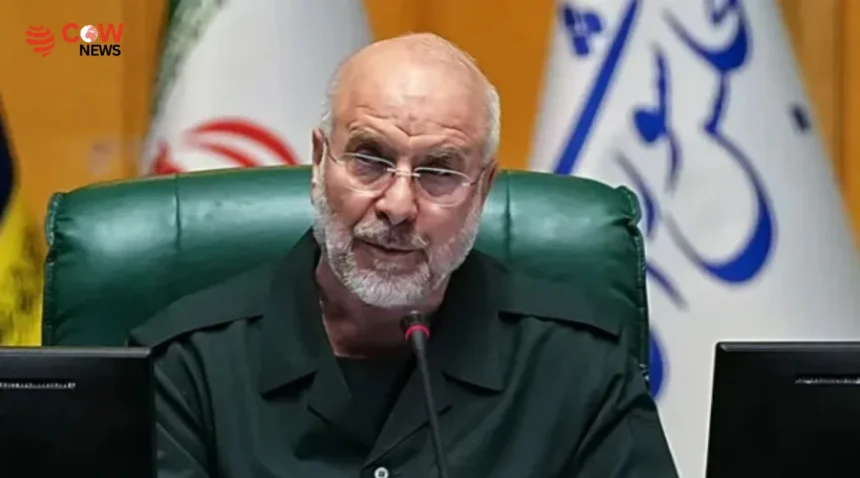
Islamabad (The COW News Digital)Iran has linked the reopening of the Strait of Hormuz to the implementation of seven conditions agreed under an interim understanding with the United States, Iranian Parliament Speaker Mohammad Bagher Ghalibaf said, according to Iranian media.
Speaking to Iran’s Nournews, Ghalibaf said Tehran had recently received proposals from Washington through an intermediary. He maintained that Iran’s position remained clear, adding that what he described as an era of unilateral American demands and delaying tactics had ended.
Ghalibaf said the Strait of Hormuz would not return to normal operations until the seven conditions connected to the June understanding were fulfilled. He linked the restoration of regular maritime traffic to implementation of the commitments outlined in an understanding reached in Islamabad with Pakistan’s involvement.
The statement comes amid ongoing diplomatic efforts between Iran and the United States aimed at addressing differences between the two sides. According to the report, Washington recently responded to a diplomatic proposal submitted by Tehran.
Iran had earlier presented what was described as a seven-day confidence-building plan to the United States. Under the proposal, implementation of the agreed conditions would pave the way for reopening the Strait and restoring normal maritime movement.
The two sides, however, remain divided over the sequence and mechanism for implementing the proposed commitments. Iranian media reported that disagreements over how and when the conditions should be fulfilled remain among the key obstacles in the discussions.
Qatar has been involved in facilitating communication between Tehran and Washington, serving as an intermediary for messages between the two sides. The diplomatic channel has remained active as both countries attempt to address outstanding issues through indirect contacts.
Ghalibaf’s comments underline Tehran’s position that the reopening of the strategic waterway should be tied to reciprocal steps rather than unilateral commitments from Iran. His remarks also indicate that Iran expects the conditions included in the understanding to be implemented before normal maritime traffic resumes.
The Strait of Hormuz is one of the world’s most important energy shipping routes. A significant volume of global oil and liquefied natural gas supplies passes through the waterway, making developments affecting its navigation a major concern for international energy markets.
Recent tensions have caused a substantial reduction in maritime traffic through the strategic route, although LNG shipments reportedly showed some improvement during September.
The latest Iranian position could add another layer to ongoing diplomatic efforts between Tehran and Washington. While Iran says the seven conditions must be fulfilled before the Strait can fully reopen, differences over the implementation process remain unresolved.
The developments are being closely monitored because any prolonged disruption in the Strait of Hormuz could affect energy transportation and international shipping. The waterway connects the Persian Gulf with the Gulf of Oman and the wider Arabian Sea, making it a critical route for energy-exporting countries in the region.
For now, Iran’s position, as conveyed by Ghalibaf, is that the Strait will remain closed to normal maritime traffic until the specified conditions are implemented. Further diplomatic contacts between Iran, the United States and intermediary countries could determine whether progress is made toward restoring regular shipping through the strategic waterway.