
TEHRAN (The COW News Digital) Iran has warned that any new aggression against the country would be met with a military response involving what officials describe as advanced and newly developed technologies, as tensions involving Iran, the United States and Israel remain high across the region.
Brigadier General Abolfazl Shekarchi, spokesperson for Iran’s Armed Forces, said Iranian forces are prepared to respond to any hostile action and have developed what he called “surprises” for potential adversaries.
Speaking to Iranian state media, Shekarchi claimed that Iran’s military capabilities are stronger than they were in the past. He said the country has placed greater emphasis on asymmetric warfare and domestically developed defense technologies as part of efforts to strengthen its military position.
According to the Iranian military spokesman, the country’s missile and drone capabilities have also advanced and become more powerful. He did not provide specific details about the new systems or technologies that Iran says could be used in response to an attack.
Shekarchi said Iran had prepared several measures for a possible hostile operation and would respond using new military technologies if its territory or interests came under attack. His comments were framed as a warning against what Tehran considers potential aggression.
The Iranian official also highlighted the country’s asymmetric warfare strategy, describing it as an approach designed to counter larger and more expensive military systems with comparatively lower-cost but effective defense capabilities.
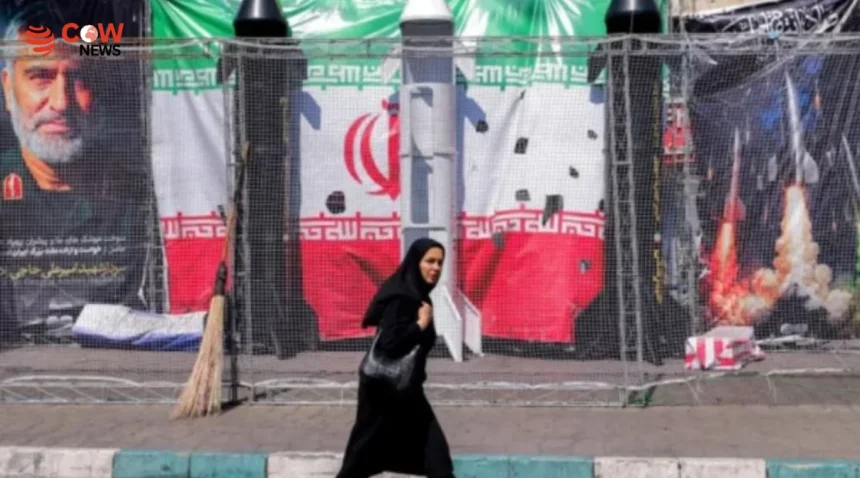
Iran has increasingly emphasized domestic production of military equipment amid longstanding tensions with the United States and Israel. Iranian officials have repeatedly said that strengthening indigenous defense capabilities is a priority in response to external military pressure and sanctions.
The latest warning comes amid continued regional tensions and concerns over the possibility of renewed military confrontation. The situation has remained closely watched as diplomatic and security developments involving Tehran, Washington and Tel Aviv continue to shape the regional security environment.
Iranian officials have previously stated that any attack would receive a response, while the United States and Israel have maintained their own security and military positions concerning Iran. The competing statements have contributed to concerns about further escalation.
Shekarchi’s latest remarks, however, did not identify a specific adversary or announce a particular military operation. He also did not disclose the nature, capabilities or deployment status of the technologies he referenced.
The warning nevertheless underscores Tehran’s continued emphasis on deterrence and military preparedness. Iranian authorities are presenting the development of domestic weapons and asymmetric capabilities as an important component of their defense strategy.
With tensions continuing across the region, attention remains focused on whether diplomatic efforts can prevent further escalation or whether renewed military confrontation could emerge.