
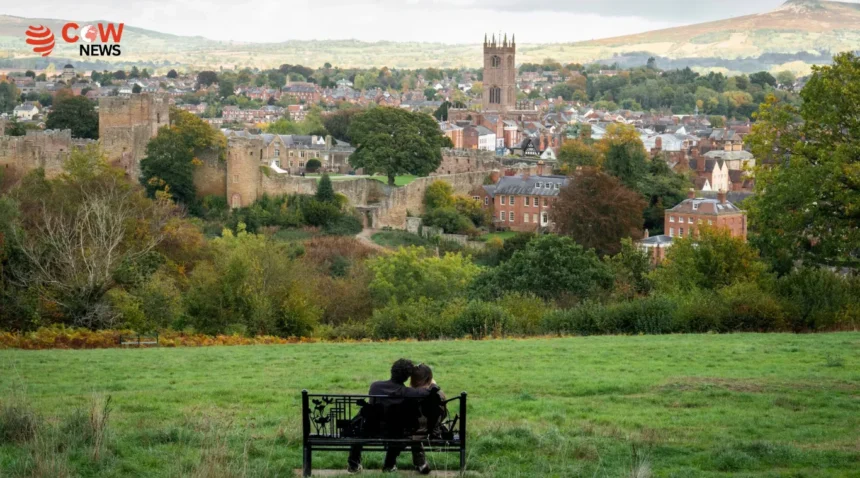
Ludlow, Shropshire, England (The COW News Digital) With its magnificent medieval architecture, charming cobbled streets, celebrated food scene and rich cultural heritage, Ludlow continues to capture the imagination of visitors from across the United Kingdom and beyond. Often described as one of England’s most beautiful market towns, this historic destination combines centuries of fascinating history with the warmth and character of a thriving modern community.
Situated in the county of Shropshire, close to the Welsh border, Ludlow offers an unforgettable experience for travellers seeking picturesque scenery, historic landmarks, independent shops and exceptional dining. Its remarkable collection of old buildings, peaceful riverside walks and lively markets makes it an appealing destination for a weekend break or a longer countryside escape.
The town has earned considerable praise over the decades, including from renowned poet and broadcaster Sir John Betjeman, who famously described Ludlow as “probably the loveliest town in England”. Almost eight decades later, the description continues to feel appropriate.
While many historic towns struggle to balance tourism with modern life, Ludlow has managed to preserve much of its traditional character while developing a reputation as one of the region’s most exciting culinary destinations.
One of Ludlow’s greatest attractions is its extraordinary architectural character. Unlike destinations where historic buildings are confined to a particular district, Ludlow’s heritage can be discovered throughout its town centre.
The streets are lined with timber-framed houses, elegant Georgian properties, traditional shops and medieval structures that reveal the town’s long and fascinating past.
Visitors can spend hours exploring the historic centre, admiring buildings that have survived centuries of change. The town’s distinctive street layout reflects its medieval origins, while its architectural diversity provides a glimpse into different periods of English history.
Ludlow is also home to nearly 500 listed buildings, making it an outstanding destination for anyone interested in architecture, heritage and historic preservation.
The combination of its compact size and remarkable scenery makes the town particularly attractive to walkers. Many of its most important landmarks can be reached on foot, allowing visitors to experience its historic atmosphere at a relaxed pace.
Beyond the architecture, Ludlow has developed a strong reputation for its welcoming community, independent businesses and cultural activities.
Ludlow Castle is undoubtedly one of the town’s most impressive attractions. Thought to date back to the 11th or 12th century, the historic fortress occupies a commanding position overlooking the surrounding landscape.
The castle played an important role in English history and was once associated with the powerful Marcher Lords, who governed territories along the Welsh border.
Its imposing walls, historic chambers and surviving towers provide visitors with a fascinating insight into medieval life.
The castle is particularly significant because of its connection with Prince Arthur Tudor, the eldest son of Henry VII and older brother of Henry VIII. Arthur lived in Ludlow with his wife, Catherine of Aragon, before his death in 1502 at the age of just 15.
Today, visitors can explore the castle grounds and enjoy panoramic views across Ludlow and the surrounding Shropshire countryside.
The historic site has also become an important cultural venue. During the summer, Ludlow Castle hosts open-air concerts featuring well-known performers, transforming its medieval surroundings into a lively entertainment destination.
These events provide a unique opportunity to experience live music in a setting that has witnessed centuries of English history.
For tourists, Ludlow Castle represents the perfect combination of heritage, architecture and modern entertainment.
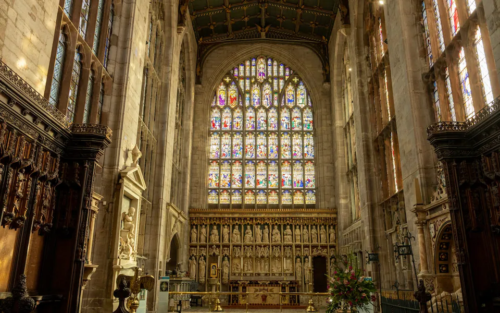
Another remarkable landmark is St Laurence’s Church, an impressive medieval church located close to the town centre.
Dating back approximately 800 years, the church is recognised for its magnificent architecture, historic interiors and significant connections to England’s royal past.
One of its most notable historical associations is with Prince Arthur Tudor. Following his death in Ludlow, his heart and internal organs were buried at the church, reflecting the importance of the town during the Tudor period.
The church’s impressive east window, traditional stonework and beautifully preserved chancel make it an important destination for visitors interested in religious architecture.
St Laurence’s also plays an important role in the local community. It remains a place of worship while welcoming tourists who wish to explore its history and architectural features.
The church is a reminder that Ludlow’s appeal extends far beyond its picturesque streets. Its historic buildings tell stories of royal families, religious traditions and the people who shaped the town over generations.
Walking through Ludlow’s historic centre is one of the most enjoyable ways to discover the town.
Many of its streets retain the appearance and atmosphere of earlier centuries, with traditional buildings standing alongside independent shops, cafés and restaurants.
Among the most interesting landmarks is Broadgate, the only surviving medieval gate from the original seven gateways that once formed part of the town’s defensive system.
The historic gateway provides a fascinating glimpse into Ludlow’s medieval development and remains an important feature of its architectural landscape.
Other notable buildings include the historic rectory beside St Laurence’s Church, which dates to 1313, and the famous Feathers Hotel.
The Feathers Hotel has welcomed visitors since 1670 and is one of the town’s most recognisable historic buildings. Its distinctive timber-framed exterior and traditional character make it a popular attraction for tourists and photographers.
The Butter Cross, dating from the middle of the 18th century, is another architectural highlight.
Together, these landmarks demonstrate how Ludlow has preserved its historic identity while continuing to function as a modern market town.
Although Ludlow is famous for its architecture and history, its growing reputation as a food destination has become one of its biggest attractions.
The town has developed a vibrant hospitality sector, with independent restaurants, traditional pubs, specialist food shops and cafés offering a wide variety of culinary experiences.
Local producers play an important role in the town’s food culture. Shropshire’s countryside provides access to fresh ingredients, including locally grown vegetables, cheeses, meats and other regional products.
Ludlow’s restaurants frequently emphasise seasonal ingredients and locally sourced produce, creating menus that reflect the character of the surrounding region.
The town’s independent dining scene includes intimate restaurants serving small plates, modern British cuisine and internationally influenced dishes.
No 3 Church Street is among the establishments attracting attention for its creative menu and relaxed atmosphere. Situated in a narrow historic lane, the restaurant offers a distinctive dining experience with a focus on carefully selected ingredients.
Nook is another popular addition to Ludlow’s contemporary food scene, offering fresh and flavourful small plates.
Meanwhile, Csons provides a family-run dining experience combining locally sourced ingredients with international culinary influences.
These restaurants demonstrate how Ludlow’s historic setting has become a foundation for a modern and innovative food culture.
The Ludlow Food Festival is one of the town’s most celebrated annual events.
Established in 1995, the festival was created to showcase the region’s food and drink producers while encouraging visitors to explore local culinary traditions.
Over the years, it has become an important event for food enthusiasts, attracting visitors interested in discovering regional products and supporting independent businesses.
The festival highlights the relationship between Shropshire’s agricultural heritage and its contemporary hospitality industry.
Visitors can explore stalls featuring cheeses, baked goods, preserves, beverages and other locally produced items.
The event also provides opportunities for producers to connect with customers and introduce their products to a wider audience.
Ludlow’s wider food culture is not limited to the festival itself. Throughout the year, the town’s restaurants, markets and independent shops continue to promote local ingredients and regional specialities.
For visitors, this emphasis on local food makes Ludlow an appealing destination for culinary tourism.
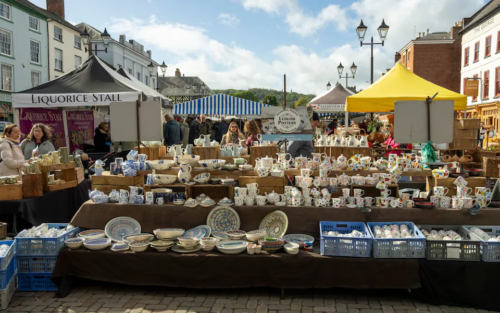
Ludlow’s historic market remains an important part of everyday life in the town.
Most mornings, Castle Square fills with market stalls selling a wide variety of products, including fresh food, locally made preserves, cheeses, pastries, pottery, jewellery, plants and second-hand books.
The market provides visitors with an opportunity to experience the traditional atmosphere of an English market town.
Unlike large commercial shopping centres, Ludlow’s market offers a more personal experience. Many stalls are operated by independent traders and small businesses.
Visitors can browse the products, interact with sellers and discover items that reflect the region’s character.
The market is particularly attractive to tourists looking for locally produced food, handmade crafts and distinctive souvenirs.
Its location close to Ludlow Castle also makes it an ideal starting point for exploring the town’s historic landmarks.
Ludlow’s natural surroundings provide another reason to visit.
The River Teme flows near the town, creating opportunities for peaceful walks and scenic views.
One of the most popular routes begins near Ludlow Castle and continues towards Dinham Bridge, a historic Grade II-listed crossing.
After crossing the bridge, visitors can follow the riverside path known as Bread Walk.
The route offers attractive views of the river, surrounding greenery and the historic town.
For those who enjoy photography, the riverside provides numerous opportunities to capture Ludlow’s distinctive combination of architecture and natural scenery.
The wider Shropshire countryside is also easily accessible from the town.
The Shropshire Hills, known for their rolling landscapes and scenic walking routes, provide a beautiful backdrop to Ludlow.
Visitors seeking outdoor activities can explore nearby countryside paths, enjoy peaceful walks or simply appreciate the landscape from the town’s historic viewpoints.
These natural attractions make Ludlow an appealing destination for travellers who want to combine cultural sightseeing with outdoor relaxation.
Ludlow’s independent shopping scene is another major attraction.
The town has retained a strong collection of locally owned businesses, creating an atmosphere that differs from many modern high streets.
Visitors can discover vintage clothing, antique furniture, second-hand books, jewellery, home accessories and specialist food products.
Nina & Co, located in a historic building on Church Street, offers a distinctive shopping experience across several floors.
Its collection includes vintage clothing from different decades, antiques, books, jewellery and accessories.
For food enthusiasts, Broad Bean Deli is another notable destination.
The shop works with local producers and growers, offering a range of food products and coffee options.
Independent businesses contribute significantly to Ludlow’s identity. They help preserve the town’s character while supporting the local economy.
For tourists, exploring these shops can be just as enjoyable as visiting its famous castles and churches.
Ludlow’s pub culture is an important part of its social life.
The town offers a variety of traditional drinking establishments, including historic pubs and modern venues that celebrate regional brewing.
Blood Bay is known for its Victorian-inspired atmosphere, with period-style décor and a distinctive approach to creating a traditional pub experience.
Ludlow Brewery is another important part of the town’s hospitality scene.
Located in a converted Victorian railway building, the brewery produces a selection of beers and operates a taproom where visitors can experience its products.
The combination of historic surroundings and local brewing traditions adds another dimension to Ludlow’s appeal.
For visitors interested in discovering the character of a traditional English market town, its pubs provide an opportunity to experience local hospitality and community life.
Ludlow offers accommodation options for a variety of budgets and travel preferences.
One of its most distinctive places to stay is Castle Lodge, a historic building dating back to the 14th century.
Following an extensive restoration, the property opened in spring 2026, offering self-catering suites designed to reflect the building’s historic character.
Its interiors feature traditional timber beams, period-inspired furnishings and other details that create a memorable atmosphere.
The property also includes Harry’s Restaurant, where traditional British dishes are presented with a contemporary approach.
For visitors seeking a more affordable option, Kin Rooms offers comfortable accommodation above the family-run Kin Kitchen.
The availability of historic accommodation, independent guesthouses and comfortable rooms makes Ludlow suitable for weekend visitors, couples and travellers exploring Shropshire.
Staying in the town centre also allows visitors to explore its main attractions on foot.
Ludlow is not simply a destination for history enthusiasts. Its cultural calendar provides a variety of entertainment throughout the year.
Summer concerts at Ludlow Castle have become an important attraction, bringing well-known performers to the historic venue.
The setting provides a memorable backdrop for live music, combining the atmosphere of a medieval fortress with contemporary entertainment.
The Ludlow Piano Festival also contributes to the town’s cultural identity, attracting music enthusiasts and performers.
Other events, including book fairs and food-related activities, provide opportunities for residents and visitors to participate in the town’s cultural life.
These events help maintain Ludlow’s reputation as a destination that combines traditional heritage with modern experiences.
One of the most important aspects of Ludlow is its sense of community.
Although the town attracts tourists throughout the year, it remains a lived-in destination with a strong local identity.
Independent businesses, traditional markets and community activities contribute to its welcoming atmosphere.
Longtime residents often express pride in the town’s architecture, local shops and friendly environment.
The continued presence of small businesses is particularly important, helping Ludlow retain its individuality in an era when many historic towns face increasing commercial pressures.
Visitors can experience this community spirit while browsing the market, enjoying a meal at a local restaurant or walking through the historic streets.
Ludlow’s appeal is therefore not simply about its buildings or scenery. It is also about the people who continue to make the town a vibrant place to live.
Ludlow’s enduring popularity can be attributed to its remarkable combination of history, architecture, food, culture and natural beauty.
Its medieval castle and historic churches provide a connection to England’s past, while its restaurants, markets and independent businesses create a lively contemporary atmosphere.
The town’s compact size makes it easy to explore, while the surrounding countryside offers opportunities for outdoor activities and relaxation.
Unlike destinations that rely exclusively on tourism, Ludlow maintains a strong community identity.
Its historic buildings are not merely preserved attractions. They form part of the everyday environment in which residents live, work and socialise.
This balance between heritage and modern life is one of the reasons the town continues to attract visitors.
Sir John Betjeman’s famous description of Ludlow as “probably the loveliest town in England” remains a powerful expression of its appeal.
For travellers seeking a destination with character, history and a welcoming atmosphere, Ludlow offers an experience that is both memorable and distinctive.
Ludlow continues to stand out as one of England’s most attractive historic destinations.
Its medieval streets, impressive castle, beautiful churches, traditional markets and growing restaurant scene create a destination that appeals to a wide range of travellers.
Visitors can spend their mornings exploring historic landmarks, afternoons browsing independent shops and evenings enjoying locally inspired food in welcoming restaurants.
The surrounding Shropshire countryside provides additional opportunities for scenic walks and peaceful escapes.
Whether you are interested in English history, architecture, food, shopping or countryside tourism, Ludlow offers plenty of reasons to visit.
Its ability to preserve its historic character while embracing modern culture makes it a remarkable example of a traditional English market town.
For anyone planning a visit to Shropshire, Ludlow deserves a prominent place on the travel itinerary.
With its timeless beauty and vibrant community, it is easy to understand why the town continues to receive such high praise.