



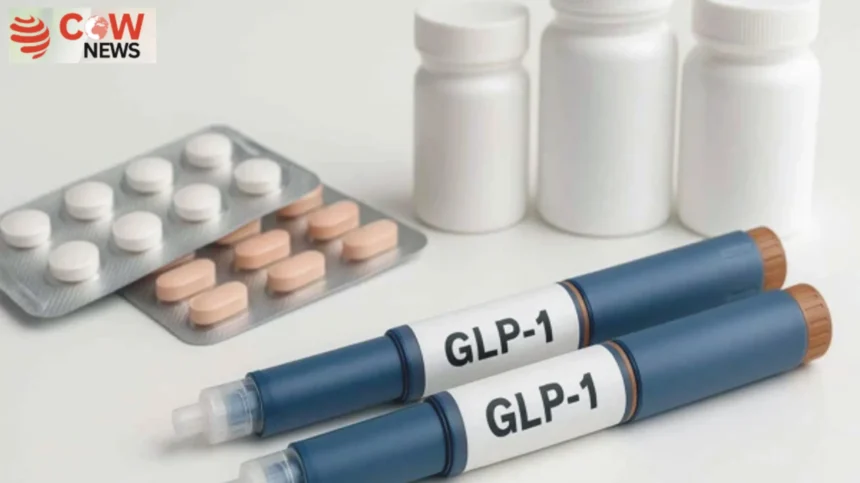
Chicago (The COW News Digital) A new medical study has found that GLP-1 medications may significantly reduce the risk of developing Type 2 diabetes among adults with obesity and prediabetes, offering promising insights into potential approaches for preventing the disease.
According to preliminary research, individuals taking glucagon-like peptide-1 (GLP-1) medications were associated with a 31% lower risk of progressing to Type 2 diabetes compared with those taking metformin, a commonly prescribed medication for diabetes prevention.
The findings are based on an extensive analysis of electronic health records involving more than 256,000 adults diagnosed with both obesity and prediabetes. The study examined patient information collected through 104 healthcare institutions between 2010 and 2023, with participants followed for approximately three years.
Researchers led by Dr Vinicius de Sousa Barzon Serra investigated the potential benefits of GLP-1 medications, including semaglutide, tirzepatide, liraglutide and dulaglutide. These medicines are widely recognised for their role in managing blood sugar levels and supporting weight loss.
The analysis revealed that participants using GLP-1 medications were approximately 1.5 times more likely to return to normal blood glucose levels than those taking metformin.
The study also identified encouraging cardiovascular outcomes. Compared with metformin users, individuals receiving GLP-1 medications were associated with a 15% lower risk of heart attacks, a 20% lower risk of strokes and a 25% lower risk of heart failure.
Additionally, researchers reported a 41% lower risk of death from any cause among individuals taking GLP-1 medications.
The findings are expected to be presented at the American Heart Association’s Scientific Sessions 2026, scheduled to take place in Chicago from November 6 to November 9.
Despite the encouraging results, researchers have cautioned that the findings should be interpreted carefully. The investigation was observational, meaning it identified associations between medication use and health outcomes but did not establish a direct cause-and-effect relationship.
Experts have also highlighted the financial implications of GLP-1 treatment. Medications such as semaglutide and tirzepatide can be significantly more expensive than metformin, potentially limiting access for patients who may benefit from them.
Metformin remains an established and widely used option for diabetes prevention, particularly because of its affordability, long-standing clinical experience and established safety profile.
Researchers believe the findings could contribute to future discussions about treatment strategies for people with obesity and prediabetes. However, further clinical research will be necessary to determine whether GLP-1 medications should be considered more widely for diabetes prevention.
The study highlights the growing interest in addressing metabolic disorders before they progress into more serious conditions. For individuals at increased risk of Type 2 diabetes, early identification, appropriate medical guidance, weight management and lifestyle modifications remain important components of preventive healthcare.
Medical professionals emphasise that patients should consult qualified healthcare providers before starting or changing any medication. The preliminary findings do not establish GLP-1 medications as a universal treatment for diabetes prevention.