
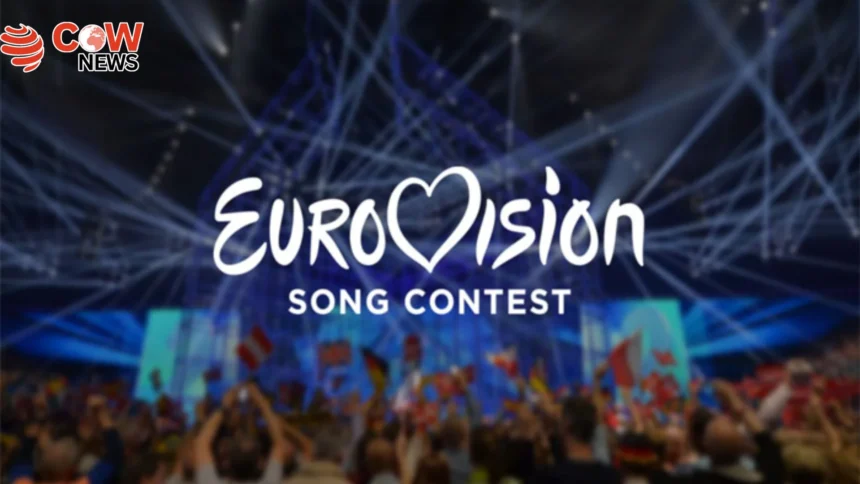
Iceland (The COW News Digital) Iceland has announced that it will boycott this year’s Eurovision Song Contest in protest over Israel’s participation, becoming the fifth country to withdraw from the event. The decision came after weeks of public debate and pressure from artists, civil groups and segments of the Icelandic public who argued that Israel’s involvement amid the ongoing Gaza conflict was inappropriate.
The Icelandic national broadcaster RÚV confirmed the withdrawal, stating that the current climate surrounding Eurovision had become deeply divisive. RÚV’s Director General, Stefán Eiríksson, said that Israel’s inclusion had created “a clear disagreement within the European Broadcasting Union (EBU) and among the public,” making the contest untenable for Iceland under present circumstances.
Read More:
- Trump Threatens Kabul Over Bagram Airbase Control
- Taliban Extend Internet Curbs, Trade Faces Major Hit
- Asia Cup 2025 Super Four Tickets at Shocking Prices
Eiríksson explained that given the political and humanitarian situation, Iceland did not consider it appropriate to participate this year. He noted that the broadcaster had carefully reviewed public feedback and the broader mood in the country before making the final call.
Before Iceland’s announcement, Spain, Ireland, Slovenia and the Netherlands had already pulled out of the contest over similar concerns, marking one of the most significant waves of withdrawals in Eurovision’s recent history. Their decisions were fuelled both by the geopolitical situation and by backlash over Israel’s previous controversies within the event.
Israel’s presence has been a point of contention since last year, when allegations emerged of attempts to influence voting and campaigning processes. While the EBU has maintained that Eurovision is a non-political cultural event meant to unite nations through music, critics argue that the platform cannot be separated from political realities, especially when human rights concerns are at the forefront.
The Gaza conflict has intensified these concerns, with growing calls across Europe to reconsider Israel’s participation. Activists and artists have argued that allowing Israel to compete while civilian casualties continue to rise undermines the contest’s values and sends a troubling message. Protests and petitions have gained momentum, putting pressure on national broadcasters to distance themselves from the event.
Iceland’s decision adds further weight to a growing movement that challenges Eurovision’s stance on political neutrality. While the EBU has not indicated any changes to its policy, the unprecedented wave of withdrawals suggests that member countries are increasingly unwilling to separate art from politics.
As the contest approaches, debate over Israel’s participation continues to overshadow preparations, raising questions about the event’s future and its ability to maintain unity among member nations.