

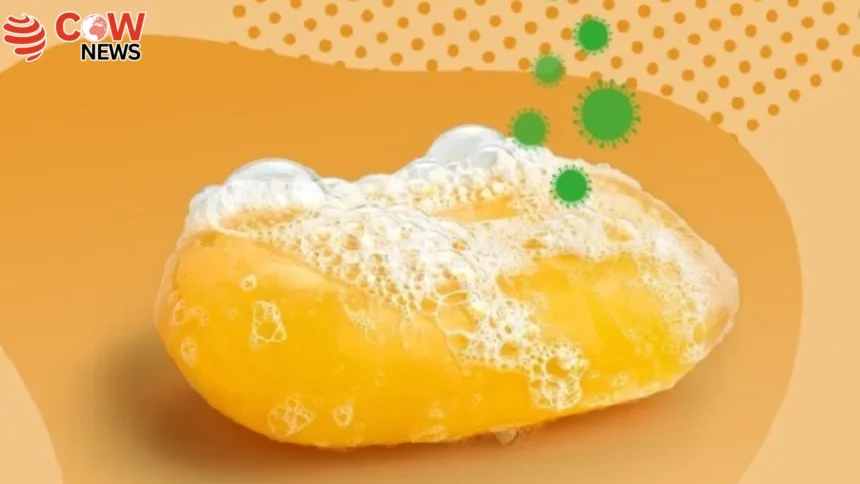
Islamabad(The COW News Digital)It is widely believed that washing hands with soap completely eliminates germs — but does soap itself remain germ-free? Scientists say not exactly.
Research shows that ordinary bar soap can host bacteria such as E. coli and Staphylococcus on its outer layer, especially when the soap remains wet and is frequently used. These microbes usually come from our skin and can survive for a short period on the soap’s surface.
However, experts reassure that this is generally not dangerous. The alkaline nature of soap and its surface environment are not suitable for bacteria to survive for long. Most germs die quickly, and the ones that remain are washed away when soap is lathered under running water.
When you wash your hands properly — rubbing the soap for at least 20 seconds and rinsing under flowing water — the germs are physically removed along with dirt and oils. This makes bar soap safe for routine use, despite the temporary presence of microbes on its surface.
The real concern arises if the soap is constantly left wet, such as in a dish that holds standing water. In that case, bacteria may linger for longer periods, which can slightly increase the risk of contamination. Experts recommend using a soap dish with proper drainage to keep the bar dry between uses.
In highly sensitive environments like hospitals, clinics, and laboratories, liquid soap in sealed dispensers is preferred to reduce any risk of cross-contamination and infection spread.
The bottom line: bar soap does not stay completely germ-free, but when used correctly, it is safe and effective at cleaning hands and reducing infection risks. Proper storage and hand-washing techniques remain key to maintaining good hygiene